Sunday, November 24, 2024

Texts to Discuss the Breakup with Your Ex: Addressing Unresolved Issues

Texts to Discuss the Breakup with Your Ex: Addressing Unresolved Issues

Navigating the Aftermath: Addressing Unresolved Issues After a Breakup

Breakups are rarely clean. Even amicable separations often leave behind a residue of unresolved issues, lingering questions, and unspoken feelings. These unresolved matters can fester, impacting your emotional well-being and hindering your ability to move forward. This article offers a guide to addressing these lingering concerns, fostering closure, and promoting healthy healing after a relationship ends.

Identifying the Unresolved Issues

Before you can address unresolved issues, you need to identify them. This requires honest self-reflection. Avoid blaming your ex entirely; instead, focus on your own role in the relationship's dynamics and the specific points of contention that remain. Ask yourself:

  • Are there specific conversations we never had?
  • Did we leave important matters unfinished?
  • Are there lingering feelings of hurt, betrayal, or resentment?
  • Do I need to understand their perspective better?
  • Are there practical matters like finances or shared belongings that need resolving?

Journaling can be a powerful tool here. Write down everything that comes to mind, even if it feels messy or illogical. This process will help you organize your thoughts and emotions, clarifying what needs to be addressed.

Approaching the Conversation (If Necessary)

Depending on the nature of the breakup and your relationship with your ex, you may decide to have a conversation to address unresolved issues. This isn't about rekindling the romance; it's about achieving closure. Approach the conversation with a clear purpose and boundaries.

Setting the Stage for a Productive Conversation

Choose a neutral location and a time when you both feel relatively calm. Clearly state your intentions upfront. For example, you might say, "I want to have a conversation about [specific unresolved issue] to gain some closure and move forward." Establish ground rules, like agreeing to listen respectfully, avoid accusations, and focus on resolving the issue at hand, not rehashing the entire relationship.

Managing Expectations and Potential Outcomes

Understand that your ex may not be willing or able to participate in this conversation. They may not share your desire for closure or may not be in a place to have a productive discussion. Accept this possibility and prepare yourself for various outcomes. Even if a conversation doesn't fully resolve everything, the attempt itself can provide a sense of agency and contribute to your healing process.

Moving Forward Without a Conversation

Sometimes, a conversation is impossible or undesirable. Perhaps your ex is unreachable, the relationship was abusive, or you feel it would be too emotionally taxing. In these cases, focus on self-healing. This involves acknowledging your feelings, processing them in a healthy way, and actively working toward emotional closure.

Utilizing Healthy Coping Mechanisms

Engage in activities that promote well-being. This could include therapy, journaling, spending time with supportive friends and family, exercising, pursuing hobbies, or practicing mindfulness techniques. These activities provide outlets for your emotions and help you build resilience.

Remember that closure is not always a dramatic event. It̢۪s a process, a gradual shift in perspective where you accept the end of the relationship and move forward with your life. Prioritizing your own emotional well-being is crucial in navigating the aftermath of a breakup and successfully addressing any unresolved issues.


Friday, November 22, 2024

The Importance of Respecting Her Decision

The Importance of Respecting Her Decision

The Paramount Importance of Respecting Her Decision

In a world often characterized by its push for immediate gratification and the relentless pursuit of influence, the simple act of respecting another person's decision, especially a woman's, transcends mere politeness; it becomes a cornerstone of genuine equality and healthy relationships. This respect isn't passive acceptance; it's an active acknowledgment of her autonomy, her right to choose her own path, regardless of whether it aligns with our expectations or preferences. Failing to grant this respect erodes trust, fosters resentment, and ultimately undermines the very foundations of mutual respect upon which strong relationships are built.

Understanding the Nuances of Respect

Respecting her decision doesn't mean silently agreeing or pretending to concur. It requires a genuine effort to understand her perspective, even if we fundamentally disagree with her choice. This understanding involves active listening, asking clarifying questions, and seeking to comprehend the reasoning behind her decision, rather than immediately resorting to judgment or criticism. We must actively work to understand the context of her life, her values, and the unique pressures she might be facing that inform her choices. Genuine respect acknowledges that her life experiences and perspectives may differ significantly from our own, and that these differences are valid and should be honored.

The Ramifications of Disrespect

Ignoring or dismissing a woman's decision carries significant consequences. It communicates a lack of trust in her judgment and capabilities, subtly (or overtly) suggesting that she is incapable of making sound decisions for herself. This undermines her confidence and self-esteem, potentially leading to a decline in her mental and emotional well-being. Furthermore, disrespect creates an environment of coercion and control, effectively silencing her voice and preventing her from fully participating in her own life. The long-term effects of such disrespect can be devastating, leading to strained relationships, decreased opportunities, and a general sense of powerlessness.

Consequences in Different Contexts

The impact of disrespect manifests differently across various aspects of a woman's life. In personal relationships, it can lead to conflict, mistrust, and ultimately, relationship breakdown. In professional settings, it can hinder career advancement, limit opportunities, and create a hostile work environment. Even in seemingly minor decisions, a lack of respect can chip away at the relationship, creating a pervasive sense of being undervalued and unheard.

Cultivating a Culture of Respect

Building a culture of respect requires a conscious and ongoing effort. This involves:

  • Active Listening: Truly hearing and understanding her perspective without interruption or judgment.
  • Empathy: Stepping into her shoes and trying to understand her motivations and feelings.
  • Open Communication: Creating a safe space for her to express her thoughts and feelings without fear of reprisal.
  • Unconditional Support: Offering support and encouragement, even if we don't agree with her decision.
  • Challenging Societal Norms: Confronting societal biases and expectations that undermine women's autonomy.

Ultimately, respecting her decision is not merely about politeness; it's about upholding fundamental human rights, fostering equality, and building healthier, more equitable relationships. It's about recognizing the inherent worth and agency of every individual, and ensuring that their voices are heard and respected, without qualification or condition.

Exploring Emotional Intimacy for Deeper Connections

Exploring Emotional Intimacy for Deeper Connections

Exploring Emotional Intimacy for Deeper Connections

Emotional intimacy, the cornerstone of fulfilling relationships, transcends the physical and intellectual realms. It represents a profound connection forged through vulnerability, empathy, and authentic self-expression. Cultivating this type of intimacy requires conscious effort, self-awareness, and a willingness to navigate the complexities of human emotion. This exploration delves into the multifaceted nature of emotional intimacy, examining its components, challenges, and strategies for fostering deeper connections.

Understanding the Essence of Emotional Intimacy

Emotional intimacy is characterized by a sense of safety and trust, allowing individuals to share their innermost thoughts, feelings, and vulnerabilities without fear of judgment or rejection. It's a reciprocal process where both partners feel seen, heard, and understood. This goes beyond simple companionship; it involves a deep understanding of each other's emotional landscape, including joys, sorrows, fears, and aspirations. This shared understanding forms the foundation upon which lasting bonds are built.

Key Components of Emotional Intimacy

Several key elements contribute to the development and maintenance of emotional intimacy:

  • Trust: A fundamental prerequisite. Without trust, vulnerability is impossible. Trust is built through consistent reliability, honesty, and respect.
  • Vulnerability: Sharing one's authentic self, including imperfections and insecurities, fosters a deeper connection. It requires courage and a willingness to risk rejection.
  • Empathy: The ability to understand and share the feelings of another. It involves actively listening, seeking to comprehend the other person's perspective, and responding with compassion.
  • Self-Awareness: Understanding one's own emotions and how they impact relationships is crucial. Self-awareness enables effective communication and conflict resolution.
  • Effective Communication: Open, honest, and respectful communication is essential for expressing needs and concerns, resolving conflicts, and fostering mutual understanding.
  • Shared Values and Goals: While differences are inevitable, shared values and life goals provide a common ground for deeper connection and mutual support.
  • Respect: Acknowledging and valuing each other's individuality, opinions, and boundaries is fundamental to a healthy relationship.

Navigating the Challenges of Emotional Intimacy

The path to emotional intimacy is not without its obstacles. Many factors can hinder its development and maintenance:

Fear of Vulnerability

One of the most significant barriers is the fear of vulnerability. Sharing deeply personal feelings can feel risky, exposing oneself to potential rejection or hurt. Past experiences of betrayal or emotional neglect can exacerbate this fear, making it difficult to trust others.

Communication Barriers

Ineffective communication can severely impede emotional intimacy. Misunderstandings, lack of active listening, and defensive communication styles can create distance and prevent genuine connection. Differences in communication styles can also contribute to challenges.

Past Trauma

Past trauma, whether it be childhood experiences or past relationships, can significantly impact one's ability to form emotionally intimate connections. Trauma can lead to trust issues, emotional detachment, and difficulties expressing or processing emotions.

Differing Attachment Styles

Attachment theory highlights different styles of attachment, which can influence how individuals approach intimacy. Individuals with insecure attachment styles may struggle with vulnerability, trust, or emotional regulation, impacting their ability to form deep connections.

External Stressors

External stressors, such as work pressures, financial difficulties, or family conflicts, can create emotional distance and make it challenging to prioritize emotional intimacy. Stress can lead to irritability, reduced patience, and difficulty focusing on the relationship.

Strategies for Cultivating Emotional Intimacy

Developing emotional intimacy requires conscious effort and a commitment to personal growth. Several strategies can facilitate this process:

Enhance Self-Awareness

Understanding one's own emotions, triggers, and patterns of behavior is crucial. Self-reflection, journaling, and therapy can be valuable tools for gaining self-awareness.

Practice Active Listening

Active listening involves paying full attention to the speaker, seeking to understand their perspective, and responding with empathy. It's about more than just hearing words; it's about understanding the underlying emotions.

Develop Effective Communication Skills

Learning to express needs and feelings assertively, without blame or criticism, is vital. Conflict resolution skills are also crucial for navigating disagreements constructively.

Cultivate Trust and Vulnerability

Gradually increasing vulnerability by sharing personal experiences and emotions can strengthen trust. It's important to start with smaller disclosures and build trust over time.

Seek Professional Support

Couples therapy can provide a safe space to address communication issues, resolve conflicts, and develop strategies for enhancing emotional intimacy. Individual therapy can also be beneficial for addressing personal challenges that may be hindering intimacy.

Prioritize Quality Time

Regularly scheduling dedicated time for connection, without distractions, is crucial. This could involve engaging in shared activities, having meaningful conversations, or simply spending time together in quiet reflection.

Practice Empathy and Compassion

Actively seeking to understand the other person's perspective, even when disagreeing, demonstrates empathy and fosters a sense of validation. Responding with compassion, even during challenging times, strengthens the bond.

Conclusion

Emotional intimacy is a dynamic and evolving process that requires ongoing effort and commitment from both partners. While challenges are inevitable, understanding the key components, recognizing potential obstacles, and actively employing strategies for cultivating intimacy can significantly enhance relationships, leading to deeper connections, greater fulfillment, and lasting bonds. The journey towards emotional intimacy is a rewarding one, enriching not only the relationship but also the lives of the individuals involved.

The Importance of Quality Time in Relationships

The Importance of Quality Time in Relationships

The Untapped Power of Quality Time: Strengthening Your Relationships

Okay, let's talk about something super important, but often overlooked: quality time. We all *know* it's crucial for strong relationships, right? But do we really *practice* it? I'm guessing for many of us, the answer is a hesitant "sort of." Life gets busy, distractions abound, and suddenly, weeks go by without truly connecting with the people who matter most. This article is all about digging deeper into why quality time is so vital and how to make it a more consistent part of your life.

Why Quality Time Trumps Quantity Time

It's easy to fall into the trap of thinking that just being around someone equals quality time. Think about it: you might spend hours in the same house as your partner, but if you're both scrolling through your phones, barely speaking, is that really connecting? Nope. Quality time is about focused attention, genuine interaction, and meaningful engagement. It's about being fully present with the other person, not just physically present.

The Power of Undivided Attention

In our always-on world, undivided attention is a rare and precious gift. When you give someone your full, un-interrupted attention, you're telling them: "You matter. What you have to say matters. I'm here for you." This simple act can strengthen bonds in a way that hours of passive co-existence never could.

Beyond the Surface: Deepening Connections

Quality time isn't just about casual chats; it's about delving deeper. It's about sharing vulnerabilities, dreams, fears, and hopes. It's about listening actively, not just waiting for your turn to speak. It's about truly understanding each other's perspectives, even when they differ from your own. These deeper conversations build trust, intimacy, and a stronger sense of connection.

Practical Ways to Incorporate Quality Time

So, you're convinced of the importance of quality time. Great! But how do you actually *make* it happen? Here are some ideas, ranging from the simple to the more elaborate:

  • Unplug and Disconnect: This is the most crucial step. Put away your phones, turn off the TV, and silence those notifications. Create a technology-free zone where you can truly focus on each other.
  • Schedule it in: Seriously! Treat quality time like any other important appointment. Put it in your calendar and stick to it. Even 30 minutes a day can make a difference.
  • Shared Activities: Find activities you both enjoy and do them together. This could be anything from cooking a meal to going for a walk, playing a game, or tackling a home improvement project.
  • Meaningful Conversations: Ask open-ended questions that encourage deeper discussion. Instead of "How was your day?", try "What was the most memorable part of your day?" or "What are you looking forward to this week?".
  • Active Listening: This is key! Pay attention to what the other person is saying, both verbally and nonverbally. Reflect back what you've heard to show that you're engaged.
  • Date Nights (or Day Dates!): Even if you've been together for years, regular date nights are a great way to keep the romance alive and to reconnect.
  • Travel Together: Exploring new places together creates lasting memories and fosters a sense of shared adventure.
  • Acts of Service: Sometimes, quality time can be expressed through acts of service. Helping each other with chores or running errands can be a way of showing love and support.

Quality Time in Different Relationships

The importance of quality time extends beyond romantic relationships. It̢۪s vital for friendships, family bonds, and even professional connections.

Friendships

Regularly schedule time with close friends, whether it's a coffee date, a movie night, or a weekend getaway. Make an effort to truly listen and connect, sharing both the highs and lows of your lives.

Family Bonds

Family dinners, game nights, or even simple conversations before bed can go a long way in strengthening family bonds. Make time for shared activities and create a space where everyone feels heard and valued.

Professional Relationships

Building rapport with colleagues through informal chats, team-building activities, or mentoring sessions can lead to greater collaboration and productivity. Investing time in building strong relationships at work can have significant benefits.

Overcoming Challenges to Quality Time

Let's be real, carving out quality time isn't always easy. Life throws curveballs. Here are some common challenges and how to tackle them:

  • Busy Schedules: Be intentional about scheduling quality time, even if it's just for short periods. Prioritize it and make it a non-negotiable.
  • Differing Interests: Find common ground, but also allow for individual pursuits. Compromise is key. You don't have to do everything together.
  • Conflict and Disagreements: Address conflicts openly and honestly. Quality time can be a chance to reconnect and rebuild after a disagreement.
  • Burnout and Stress: Make sure you're both taking care of yourselves. Burnout can make it hard to connect meaningfully. Prioritize self-care and support each other.

Frequently Asked Questions

Q: How much quality time is enough?

A: There's no magic number. It depends on your individual needs and the relationship. The key is consistency and intentionality, not quantity.

Q: What if my partner doesn't seem interested in quality time?

A: This is a crucial conversation to have. Openly communicate your needs and listen to your partner's perspective. Explore the reasons behind their reluctance and work together to find solutions.

Q: What if we can't afford expensive date nights?

A: Quality time doesn't have to be expensive! Simple acts of connection, like cooking a meal together or going for a walk, can be just as meaningful.

Q: How can I make quality time more fun?

A: Get creative! Try new things, explore different activities, and most importantly, be playful and spontaneous.

In closing, remember that quality time isn't just a nice-to-have; it's a fundamental ingredient for healthy and thriving relationships. By prioritizing and actively cultivating quality time, you're investing in the most important connections in your life. So, put down your phone, look at the people around you, and start connecting!

Reconnecting on Social Media: Do's and Don'ts

Reconnecting on Social Media: Do's and Don'ts

Reconnecting on Social Media: A Guide to Navigating the Digital Landscape

Social media platforms have fundamentally altered the way we interact, fostering both the strengthening of existing relationships and the rekindling of dormant connections. Reconnecting with individuals from your past on these platforms presents a unique opportunity to reignite friendships, professional collaborations, or familial bonds. However, the digital realm necessitates a delicate approach, requiring tact, consideration, and a thoughtful strategy. This comprehensive guide outlines the essential do's and don'ts of reconnecting on social media, ensuring a positive and productive experience for all parties involved.

Before You Reach Out: Assessing the Situation

Before initiating contact, it is crucial to conduct a thorough assessment of the situation. This preparatory phase will significantly influence the success and appropriateness of your reconnection attempt.

Reviewing Your Shared History

Reflect upon the nature of your past relationship. Was it a close friendship, a casual acquaintance, or a more complex dynamic? Understanding the context of your previous connection will inform your approach. A formal message is appropriate for a former professional colleague, while a more informal message might suit a long-lost friend. Consider the reasons for the lapse in communication. Were there unresolved conflicts? Addressing these issues proactively can contribute to a smoother reconnection, while ignoring them might lead to awkwardness or even conflict.

Analyzing Their Online Presence

Carefully examine their social media profile. What kind of content do they share? What are their interests? Observing their online activity provides valuable insights into their current life and preferences. This information can be instrumental in crafting a personalized and relevant message, demonstrating genuine interest beyond a mere "hello". Avoid making assumptions; instead, use the information you gather to inform your approach, allowing you to initiate a conversation that feels natural and authentic.

Considering the Platform

The chosen social media platform influences the tone and style of your message. LinkedIn, for instance, is a professional networking platform, requiring a more formal approach compared to the more informal settings of Facebook or Instagram. Select the platform most appropriate for the nature of your relationship and the context of your reconnection attempt. Avoid sending a casual message on LinkedIn, or a highly formal message on Instagram; tailor your communication to the platform̢۪s established norms.

The Art of the Initial Contact: Do's and Don'ts

The initial message is pivotal in determining the success of your reconnection attempt. A poorly crafted message can lead to immediate dismissal, while a thoughtful and engaging message can pave the way for a renewed connection.

Do's of Initial Contact

  • Keep it brief and to the point: Avoid lengthy narratives; focus on a clear and concise message.
  • Personalize your message: Reference a shared memory, a common interest, or something specific from their profile to show you've taken the time to learn about them.
  • Be respectful and considerate: Acknowledge that they may not remember you or may not be interested in reconnecting.
  • State your purpose clearly: Make your intentions clear without being overly demanding or presumptuous.
  • Proofread carefully: Errors in grammar and spelling can create a negative impression.
  • Offer a suggestion for future interaction: Suggest a virtual coffee chat or a phone call to further the conversation.

Don'ts of Initial Contact

  • Send unsolicited friend requests: This can appear abrupt and impersonal.
  • Use generic greetings: Avoid bland phrases like "Hey" or "What's up?".
  • Be overly familiar or presumptuous: Avoid assuming a level of intimacy that may not exist.
  • Rehash past grievances or conflicts: Save difficult conversations for a later time.
  • Send excessive messages: Respect their time and space; avoid bombarding them with messages.
  • Be overly demanding or pushy: If they don't respond, respect their decision.

Maintaining the Connection: Fostering a Renewed Relationship

Once contact is established, nurturing the renewed connection requires sustained effort and genuine engagement. Building upon the initial interaction requires sensitivity, reciprocity, and a commitment to creating a positive ongoing relationship.

Engaging in Meaningful Conversation

Initiate conversations that are both engaging and relevant. Avoid superficial small talk; instead, delve into subjects that reflect shared interests or current events. Actively listen to their responses, demonstrate genuine interest in their life, and contribute meaningfully to the conversation. Remember, the goal is to build a connection, not merely exchange pleasantries.

Respecting Boundaries

Respect their privacy and preferences. Avoid excessive contact or intrusive questions. Pay attention to their responses; if they seem hesitant or unresponsive, ease back and respect their need for space. Maintain a healthy balance between engagement and allowing them their personal space. Overly frequent or overly lengthy messages can be off-putting and lead to the re-establishment of distance.

Managing Expectations

Acknowledge that reconnecting might not always lead to the same level of intimacy as before. Be realistic about the potential outcomes, avoiding unrealistic expectations that might lead to disappointment. Accept that relationships evolve, and the renewed connection might differ significantly from your past shared experience. Embrace the possibility of a new, evolved relationship, while acknowledging the past.

Handling Rejection Gracefully

Not every reconnection attempt will be successful. It's essential to handle rejection gracefully and with maturity. If your message goes unanswered or you receive a negative response, respect their decision without taking it personally.

Accepting the Outcome

Understand that individuals have various reasons for not responding or declining a reconnection attempt. Their decision is their own, and accepting their choice without undue emotional investment is crucial for your own emotional well-being. Avoid pursuing the matter further; repeated attempts can be interpreted as harassing or disrespectful.

Moving Forward

Focus on maintaining your own social connections and personal growth. Let go of any feelings of disappointment or rejection, and concentrate on nurturing the relationships you value and that reciprocate your efforts. Rejection doesn't define you; it provides an opportunity for self-reflection and focusing on other areas of your life.

Reconnecting on social media can be a rewarding experience, fostering renewed friendships, professional collaborations, or familial bonds. By following these guidelines, you can navigate the digital landscape with grace, respect, and a thoughtful approach, significantly increasing your chances of establishing meaningful and enduring connections.

Thursday, November 21, 2024

Understanding Love Languages: Speaking His Language

Understanding Love Languages: Speaking His Language

Understanding Love Languages: Speaking His Language

Navigating the complexities of romantic relationships often hinges on effective communication, but this extends far beyond the spoken word. Dr. Gary Chapman's concept of "Love Languages" provides a valuable framework for understanding how individuals express and experience love, offering crucial insights into fostering deeper connections. This article delves into the nuances of love languages, focusing specifically on deciphering and effectively communicating with a male partner, emphasizing the importance of tailoring your expressions of affection to resonate with his unique preferences.

The Five Love Languages: A Foundation for Understanding

Chapman identifies five primary love languages: Words of Affirmation, Acts of Service, Receiving Gifts, Quality Time, and Physical Touch. Each represents a distinct way of expressing and receiving love, and understanding your partner's dominant language is paramount to building a strong and fulfilling relationship. While individuals may exhibit preferences for multiple languages, one typically reigns supreme, shaping their perception of love and affection.

Words of Affirmation: The Power of Verbal Appreciation

For individuals whose primary love language is Words of Affirmation, verbal expressions of appreciation, encouragement, and affection hold significant weight. This doesn't necessarily imply grand pronouncements of love; rather, it encompasses the everyday affirmations that build emotional security and validation. For a male partner whose love language is Words of Affirmation, simple compliments about his appearance, his accomplishments, or his character can have a profound impact. Specific and sincere praise ("I really appreciate you taking the initiative on that project," or "You look incredibly handsome in that shirt") carries far more weight than generic statements.

Acts of Service: Showing Love Through Practical Help

Acts of Service manifests as love expressed through practical assistance and thoughtful gestures. For a partner whose primary love language is Acts of Service, demonstrating care through tangible actions speaks volumes. This can range from simple tasks like doing the dishes or taking out the trash to larger gestures, such as fixing a broken appliance or helping with a challenging project. The key here is to anticipate his needs and proactively offer support, demonstrating that you value his time and energy by easing his burden. Observe what tasks weigh heavily on him and offer assistance without being asked, thereby showing love through action.

Receiving Gifts: The Significance of Symbolic Gestures

Receiving Gifts doesn't necessarily imply extravagant presents; instead, it focuses on the thoughtfulness behind the gesture. A small, well-chosen gift demonstrates that you were thinking of him and put effort into selecting something that reflects his interests or personality. It is the act of giving, the conscious consideration of his preferences, that holds value. These gifts don't need to be expensive; a carefully selected book, a favorite snack, or a handmade item can be far more meaningful than a generic, expensive purchase. The sentiment behind the gift speaks volumes.

Quality Time: Undivided Attention and Shared Experiences

For those whose primary love language is Quality Time, undivided attention and shared experiences are crucial. This doesn't simply mean being in the same room; it necessitates putting away distractions, engaging fully in the conversation or activity, and creating a space for genuine connection. Planned date nights, engaging in hobbies together, or simply having meaningful conversations without interruptions are all potent expressions of love. The focus is on creating a shared experience where you're both fully present and engaged with each other, fostering a sense of intimacy and connection.

Physical Touch: The Language of Intimacy and Affection

Physical Touch encompasses a wide range of physical expressions of affection, from simple hugs and kisses to holding hands, cuddling, and intimate moments. For those whose love language is Physical Touch, these acts serve as a primary means of conveying love and connection. The frequency and type of physical affection will vary depending on individual preferences, but consistent and appropriate physical contact plays a crucial role in fostering intimacy and security. Understanding his comfort level and respecting his boundaries are vital to effectively communicating love through this language.

Identifying His Love Language: Observation and Communication

Identifying your partner's primary love language requires keen observation and open communication. Pay attention to his responses to various expressions of affection. Does he light up when you compliment him? Does he visibly appreciate practical help? Does he treasure small gifts, regardless of their monetary value? Does he cherish uninterrupted time spent together? Does he seek out physical affection?

Directly asking him about his love language can be a powerful step towards deeper understanding. Frame the conversation in a curious and non-judgmental manner, emphasizing your desire to better understand his needs and preferences. Explain the concept of love languages and invite him to reflect on how he feels most loved and appreciated. This open dialogue sets the stage for a more fulfilling and reciprocal relationship.

Speaking His Language: Tailoring Your Expressions of Affection

Once you've identified his primary love language, actively work to incorporate it into your daily interactions. This isn't about grand gestures; rather, it̢۪s about consistent and thoughtful actions that reflect your understanding and appreciation. Regularly incorporating these small acts of love, tailored to his preferences, will strengthen your bond and foster a deeper sense of intimacy and connection.

Practical Applications: Tailoring to Each Love Language

  • Words of Affirmation: Offer specific and sincere compliments, express gratitude, and verbally acknowledge his contributions and efforts.
  • Acts of Service: Anticipate his needs and proactively offer assistance with tasks, chores, or projects.
  • Receiving Gifts: Choose thoughtful gifts that reflect his interests and personality, even if they are small and inexpensive.
  • Quality Time: Schedule dedicated time for undivided attention, engage in shared activities, and actively listen during conversations.
  • Physical Touch: Incorporate appropriate physical affection, such as hugs, kisses, holding hands, or cuddling, according to his comfort level.
  • Beyond the Love Languages: Fostering Healthy Communication

    While understanding love languages is a crucial step in building a strong relationship, it's essential to recognize that it's not a panacea. Effective communication, active listening, mutual respect, and a willingness to compromise are equally vital components of a healthy and lasting partnership. Love languages provide a framework for understanding how your partner expresses and receives love, but nurturing the relationship requires consistent effort, empathy, and a commitment to mutual understanding.

    Furthermore, remember that love languages are not static; they can evolve over time. Regularly check in with your partner, fostering open communication about his needs and preferences to ensure your expressions of love continue to resonate and strengthen your bond. By actively working to understand and speak his love language, you pave the way for a more fulfilling and connected relationship, built on mutual appreciation and understanding.

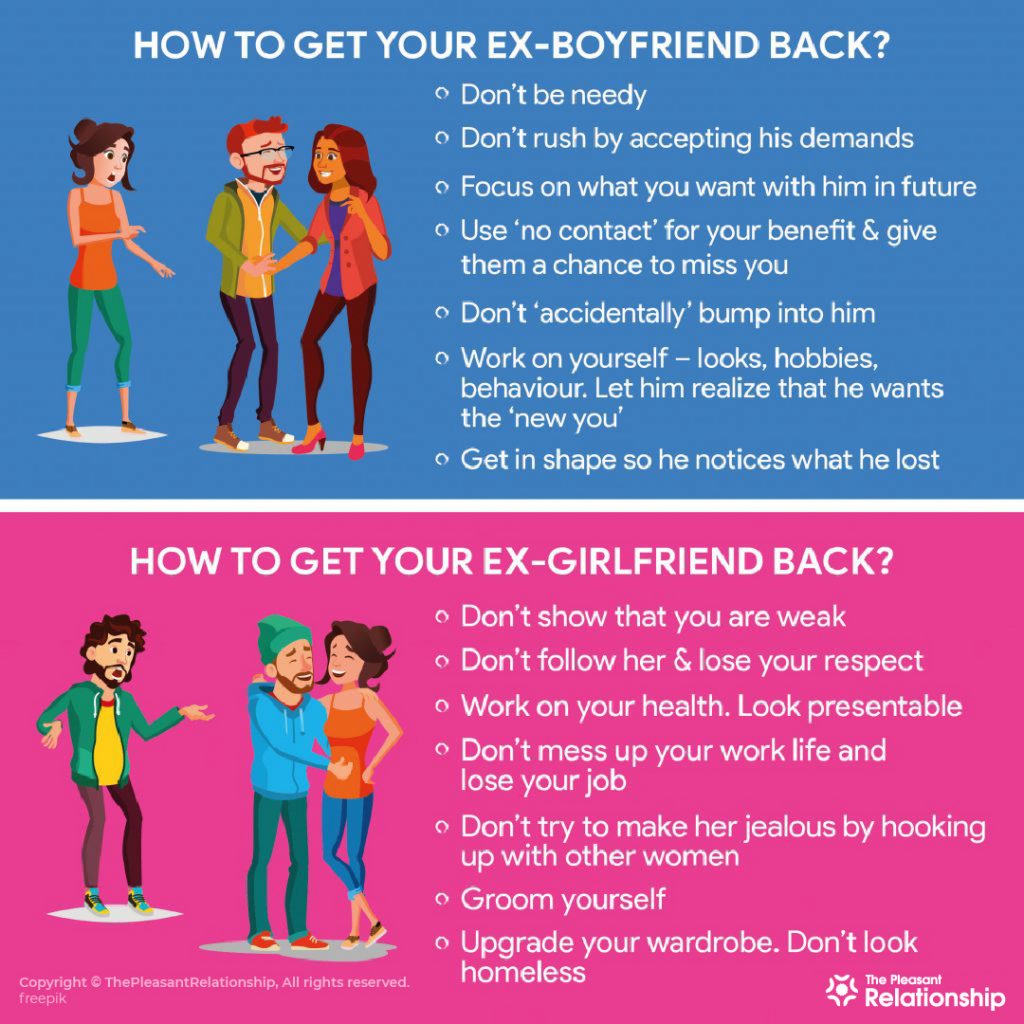
    Should I Get Back with My Ex If They̢۪ve Changed?

    Should I Get Back with My Ex If They̢۪ve Changed?

    Should You Rekindle the Flame? Navigating a Potential Reunion with Your Ex

    The question of whether to get back together with an ex is a complex one, fraught with emotion and uncertainty. The allure of a familiar comfort can be powerful, especially if your ex claims to have undergone significant personal growth. But before you dive headfirst back into the relationship, it's crucial to approach the situation with a clear head and a critical eye. This isn't about clinging to the past; it's about making an informed decision about your future.

    Evaluating the "Changed" Ex

    Claims of change are common, but genuine transformation requires more than words. Don't just listen to what your ex *says* they've changed; analyze their actions. Look for concrete evidence supporting their claims. Did they address the issues that led to the breakup? Did they seek professional help, like therapy, to address underlying problems? Have they demonstrated consistent positive behaviors over an extended period, not just a fleeting moment of charm?

    Beyond Words: Seeking Concrete Evidence

    Instead of accepting surface-level reassurances, delve deeper. Ask specific questions about their past behavior and how they've addressed it. For instance, if infidelity was the reason for the split, inquire about the steps taken to prevent a recurrence. Don't be afraid to ask tough questions; genuine change requires transparency and accountability. Avoid romanticizing their past actions; focus on demonstrable proof of their claimed growth.

    Understanding Your Reasons for Reconsidering

    Before even considering a reconciliation, honestly examine your own motivations. Are you truly ready to re-enter a relationship with this person, or are you driven by loneliness, fear of being alone, or a longing for the past? Rekindling a relationship because of fear or insecurity will likely lead to disappointment. Only proceed if you are driven by genuine mutual respect, love, and a desire for a healthy future together â€" not just nostalgia.

    Identifying Your Motivations

    Take some time for self-reflection. Ask yourself these crucial questions:

    • What are the specific reasons I want to get back together?
    • Have I truly processed the emotions from the previous breakup?
    • Am I seeking a rebound relationship to avoid loneliness?
    • What are my non-negotiables in a relationship, and does my ex meet those criteria?
    Honest answers will guide you toward a healthier decision.

    Moving Forward with Caution

    Even with compelling evidence of change, proceed with caution. Don't rush back into a full-blown relationship. Start with slow, deliberate steps. Spend time together in casual settings, allowing yourselves to rediscover each other and gauge compatibility once more. This period of re-acquaintance is crucial for assessing the genuineness of their transformation and determining whether a future together is truly viable.

    Prioritizing Your Well-being

    Remember to prioritize your own well-being throughout this process. Don't sacrifice your happiness or self-respect for a relationship that may not be in your best interest. If doubts persist or red flags emerge, trust your intuition. A healthy relationship should nurture and support you, not drain your energy or leave you questioning your worth.

    Ultimately, the decision to reconcile with an ex is deeply personal. Weigh the evidence carefully, understand your motivations, and proceed with caution. Prioritizing your own well-being and seeking evidence of genuine change are paramount to making a decision that leads to a fulfilling and healthy future.

    ブログ アーカイブ

    Powered by Blogger.