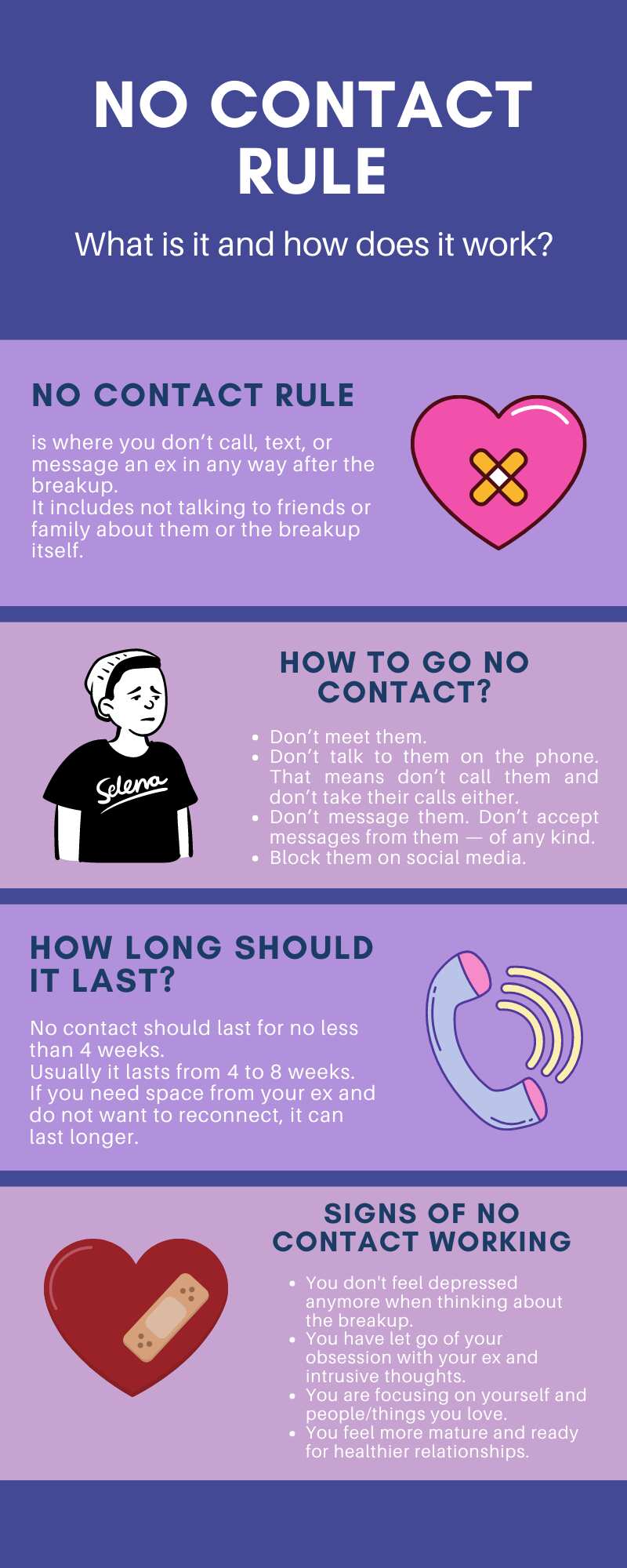
The No Contact Rule: Does It Work?
Heartbreak. It’s a universal experience, leaving us reeling, confused, and desperately seeking answers. One strategy that frequently surfaces in the aftermath of a relationship's demise is the "no contact rule." This involves completely cutting off communication with your exâ€"no texts, no calls, no social media stalking, nothing. But does this seemingly drastic measure actually work? The answer, like most things related to human relationships, is nuanced and depends on various factors. This article delves into the complexities of the no-contact rule, exploring its potential benefits, drawbacks, and ultimately, whether it's the right choice for *you*.
Understanding the Rationale Behind No Contact
The core idea behind the no-contact rule rests on several psychological principles. Primarily, it aims to create emotional distance. By eliminating the constant temptation to reach out or check up on your ex, you give yourself space to heal and process your emotions without the distraction of their presence (or perceived presence through social media). This allows you to begin the crucial process of self-reflection and rediscovering your sense of self outside the context of the relationship. Furthermore, it can shift the power dynamic. When you consistently initiate contact, you subconsciously reinforce their control over your emotions. No contact, conversely, can re-establish a sense of personal agency and self-respect.
Potential Benefits of the No Contact Rule
Emotional Healing and Self-Discovery
The most significant benefit is the opportunity for genuine emotional healing. Without the constant reminders of the lost relationship, you can focus on processing your grief, anger, and sadness. This dedicated time allows for introspection, helping you identify patterns in your relationships and understand your emotional needs better. You can begin to rebuild your self-esteem and self-worth, independent of your ex's validation.
Improved Perspective and Clarity
Distance often provides clarity. The intensity of the breakup fades, allowing you to see the relationship more objectively. You can analyze its strengths and weaknesses without the emotional fog clouding your judgment. This objective perspective can help you understand what went wrong and what you might do differently in future relationships. It also allows you to recognize whether reconciliation is genuinely desirable or simply a result of clinging to the familiar.
Regaining Personal Power
The no-contact rule can be powerfully empowering. By refusing to chase or plead, you reclaim your autonomy and self-respect. It demonstrates self-control and emotional maturity, qualities that ultimately benefit you, regardless of your ex's reaction. This shift in mindset is crucial for moving on and building healthy relationships in the future.
When No Contact Might Not Be Effective
While often lauded, the no-contact rule isn't a universally effective solution. Its success hinges heavily on the circumstances of the breakup. For instance, if the relationship ended due to infidelity or abuse, no contact is generally recommended for safety and healing. However, in situations involving misunderstandings or disagreements that might be resolved through communication, forcing a complete silence might be counterproductive. Furthermore, some individuals might find the silence exacerbates their anxiety and loneliness, hindering rather than helping their healing process.
Alternatives to No Contact
If the no-contact rule feels too extreme or ineffective, consider alternative approaches. These could include limiting contact to essential communication only (if shared responsibilities necessitate it), establishing clear boundaries to prevent emotional manipulation, or seeking professional help from a therapist to process the breakup constructively. Remember, the goal is to heal and move forward; the method you choose should align with your individual needs and circumstances. Prioritizing your mental health should always be the ultimate priority.
Conclusion: A Personalized Approach
The no-contact rule isn't a magic bullet. Its effectiveness depends on individual situations and personalities. While it can be a valuable tool for fostering emotional healing and gaining perspective, it's crucial to approach it thoughtfully and consider potential drawbacks. Ultimately, the most important aspect is prioritizing your well-being and choosing the approach that best supports your healing journey. If you’re struggling, seeking professional guidance is always a wise decision.