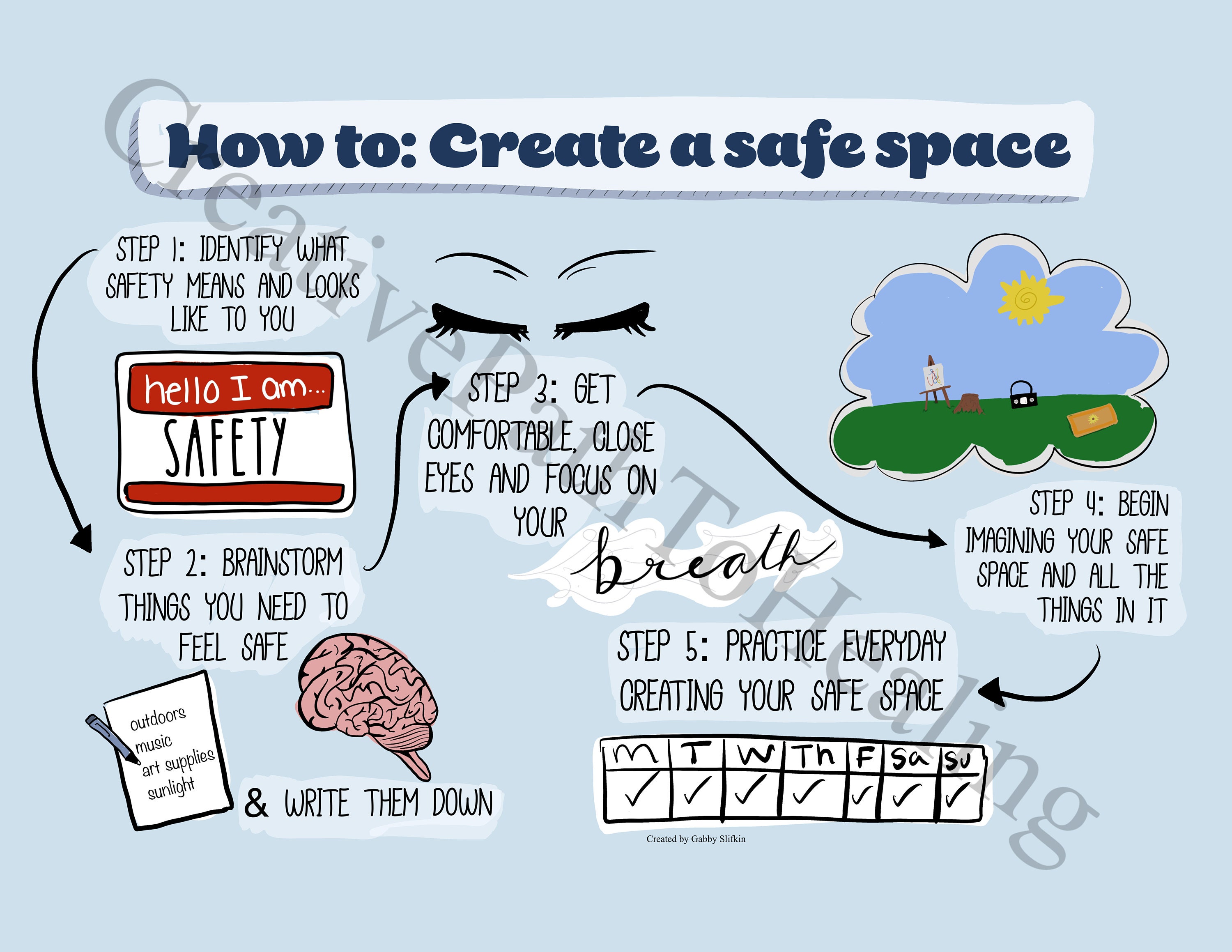
Building a Safe Space for Honest Conversations: It's Easier Than You Think!
Okay, let's be real. Honest conversations can be terrifying. We've all been there â€" that knot in your stomach before a tough talk, the fear of saying the wrong thing, or the worry about someone getting upset. But what if we could create spaces where those fears melt away, replaced by genuine connection and understanding? It's possible! It's not about magic or some secret handshake; it's about intentionality and a few key strategies.
Setting the Stage: Creating a Physically and Emotionally Safe Environment
Think of it like this: you wouldn't try to have a deep, meaningful conversation in the middle of a crowded, noisy street, right? The same principle applies to creating a safe space. It needs to be comfortable, both physically and emotionally.
Physical Comfort Matters!
First, the basics: location, location, location. Choose a place where people feel relaxed. This could be a cozy living room, a quiet corner of a café (if it's not too busy), or even a virtual space with muted backgrounds and minimal distractions. Ensure there's comfortable seating, good lighting (avoid harsh overhead lights), and maybe even some calming background music or nature sounds (if that works for the group).
Think about things like temperature too! No one wants to be freezing cold or sweating profusely while trying to open up.
Emotional Safety First
This is where things get a bit trickier, but incredibly important. Emotional safety means people feel confident that their thoughts and feelings will be received with respect, even if they're different from yours. This involves setting ground rules and cultivating a culture of empathy.
A simple way to start is by explicitly stating that you're aiming for a safe space. Say something like, "The goal here is open and honest communication. Let's agree to listen respectfully to each other, even when we disagree." You could even write these rules down and display them prominently.
Ground Rules: The Unsung Heroes of Honest Conversations
Ground rules aren't about stifling conversation; they're about setting boundaries that allow everyone to feel heard and respected. They should be collaboratively decided upon, so everyone feels ownership and buy-in. Here are some examples, but feel free to tailor them to your specific needs:
- Confidentiality: What's said in this space stays in this space.
- Respectful Listening: No interrupting, no side conversations, and active attempts to understand each other's perspectives.
- "I" Statements: Focus on expressing your own feelings and experiences rather than blaming or accusing others ("I feel hurt when..." instead of "You always...").
- No Judgment: Create a space where people feel comfortable sharing their vulnerabilities without fear of criticism or ridicule.
- Taking Breaks: It's okay to take a break if things get too intense. It doesn't mean the conversation is failing.
- One Person Speaks at a Time: This is crucial for ensuring everyone gets a chance to share their thoughts and feelings.
Facilitating Honest Conversations: Tips and Tricks
Even with the perfect setting and ground rules, sometimes conversations can get stuck. Here are a few techniques to help keep things flowing and productive:
Active Listening is Key!
This isn't just about hearing words; it's about truly understanding the speaker's perspective. Show that you're engaged by making eye contact, nodding, and summarizing what you've heard to ensure you're on the same page. Ask clarifying questions to deepen your understanding.
Ask Open-Ended Questions
Avoid yes/no questions. Instead, ask questions that encourage people to share their thoughts and feelings in more detail. For example, instead of asking, "Did you enjoy the movie?", try "What were your thoughts on the movie?"
Embrace Disagreement Respectfully
Disagreements are inevitable, but they don't have to be destructive. Focus on finding common ground and understanding different perspectives. Remember, the goal is not necessarily to reach consensus but to foster mutual respect and understanding.
Be Mindful of Nonverbal Communication
Body language speaks volumes. Be aware of your own nonverbal cues and those of others. Are people looking uncomfortable? Do they seem hesitant to speak? Adjust your approach accordingly.
When Things Get Tough: Handling Difficult Conversations
Let's face it: sometimes, honest conversations are tough. Emotions may run high, disagreements may arise, and even hurt feelings might occur. That's okay! It’s part of the process. The key is to handle these difficult moments with grace and understanding.
Remember the ground rules. If emotions escalate, take a break. Remind everyone of the goal â€" to have a respectful and productive conversation. If necessary, consider bringing in a neutral third party to mediate.
Frequently Asked Questions
Q: What if someone breaks the ground rules?
A: Gently remind them of the agreed-upon rules. If the behavior continues, you might need to have a separate conversation with that person to address the issue.
Q: How long should these conversations last?
A: There's no set time limit. Let the conversation unfold naturally. It's better to have a shorter, focused conversation than a long, drawn-out one that feels forced.
Q: What if I don't know what to say?
A: It's okay to say, "I'm not sure what to say, but I want to understand how you feel." Active listening is more important than having all the answers.
Q: Can these techniques be used in any setting?
A: Absolutely! These principles can be adapted to various settings, from family dinners to workplace meetings to online forums. The key is adapting the specifics of the setting and the rules to fit the situation.
Q: What if someone is unwilling to participate?
A: Respect their decision. You can't force someone to have an honest conversation. You can, however, invite them to participate when they're ready.
Creating a safe space for honest conversations is an ongoing process, not a one-time event. It takes commitment, practice, and a willingness to be vulnerable. But the rewards â€" deeper connections, stronger relationships, and a greater sense of understanding â€" are well worth the effort. So, take a deep breath, and start building your safe space today!
0 comments:
Post a Comment
Note: Only a member of this blog may post a comment.