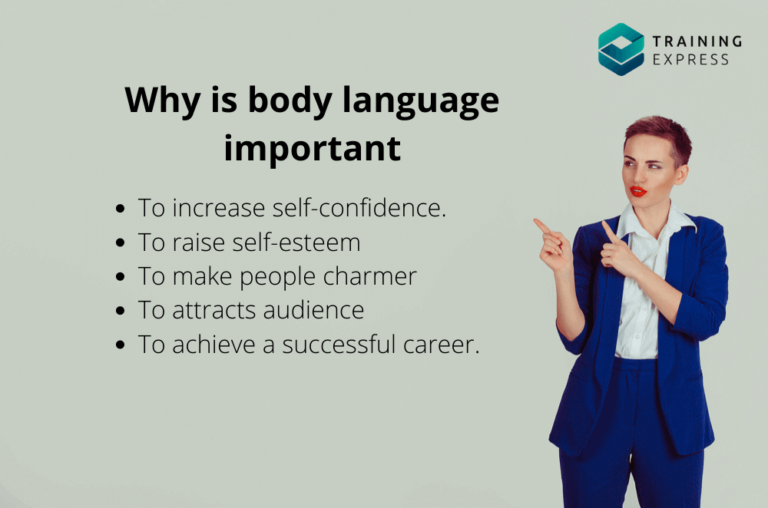
Rekindling Connections: The Power of Body Language
Feeling disconnected from a loved one? Sometimes, words fail to bridge the gap. But your body speaks volumes, often more eloquently than any carefully crafted sentence. Mastering the subtle art of body language can be the key to reconnecting on a deeper, more meaningful level. This isn't about manipulation; it's about consciously choosing behaviors that foster understanding and intimacy, creating a safe space for genuine communication to flourish. By understanding and implementing these techniques, you can actively rebuild bridges and strengthen bonds, turning a distanced relationship into a thriving one.
Open and Approachable Posture: The Foundation of Reconnection
Before you even utter a word, your posture sets the stage for the interaction. A closed-off stanceâ€"crossed arms, hunched shoulders, averted gazeâ€"communicates defensiveness and disinterest. Conversely, an open and inviting posture signals your willingness to connect. Think about uncrossed arms, relaxed shoulders, and a slight lean towards the other person. Maintain an open and inviting posture and maintain eye contact, even if only for brief moments initially. This signals receptiveness and creates a welcoming atmosphere for conversation. Remember, nonverbal cues often speak louder than words, and a positive initial presentation sets the stage for a more positive interaction overall. A relaxed, open posture shows you're approachable and confident, leading to a more comfortable environment for the other person to open up as well.
Mirroring and Matching: The Subtle Art of Synchronization
Mirroring, or subtly mimicking the other person's body language, is a powerful tool for building rapport. Notice their posture, gestures, and even their pace of speech. Subtly mirror these behaviorsâ€"not in a mocking way, but in a natural, congruent manner. For example, if they lean forward, you might subtly lean forward as well. If they use expansive hand gestures, you can subtly incorporate similar gestures into your own communication. This subconscious mirroring creates a sense of connection and harmony, making the other person feel understood and validated. It's important to be subtle; overt mirroring can seem unnatural or manipulative. The goal is to create a sense of synchronicity, not to mimic every single movement.
Beyond Mirroring: Active Listening Through Body Language
Active listening goes beyond simply hearing words; it involves showing genuine interest and engagement through your body language. Maintain consistent eye contact (avoid staring intensely, but keep your gaze soft and present). Nod occasionally to show you understand, and use facial expressions like a gentle smile or a concerned frown to reflect the emotional tone of their conversation. Lean slightly towards the speaker, showing that you are invested in what they are sharing. Avoiding distractions such as your phone and ensuring you provide them your undivided attention speaks volumes. These actions demonstrate that you value their thoughts and feelings, fostering a deeper connection.
Touch: A Powerful Tool (Used Wisely)
Physical touch, when appropriate and consensual, can be incredibly powerful in reconnecting. A light touch on the arm or shoulder can convey empathy and support. However, respect personal boundaries. Observe the other person’s reactions closely and back off if they seem uncomfortable. The appropriateness of touch is highly dependent on your relationship and the cultural context. A simple, brief, and appropriate touch can be incredibly effective at conveying warmth and understanding, but only if it feels right for both parties involved.
Recognizing and Responding to Nonverbal Cues
Reconnect effectively requires being mindful of both your own body language and that of the other person. Pay attention to subtle shifts in posture, facial expressions, and tone of voice. For example, a sudden withdrawal or avoidance of eye contact could indicate discomfort or reluctance. Recognize these cues and respond accordingly. Perhaps you need to give them space, or adjust your approach. Open communication is a two-way street, and being sensitive to your partner’s nonverbal cues is essential for successful reconnection.
Ultimately, reconnecting through body language is about creating a safe and supportive environment where open and honest communication can thrive. By consciously employing these techniques, you can significantly improve your chances of bridging the distance and rebuilding a stronger, more meaningful relationship. Remember, patience and genuine effort are crucial elements in the process.
0 comments:
Post a Comment
Note: Only a member of this blog may post a comment.