Exploring Emotional Intimacy for Deeper Connections
Emotional intimacy, the cornerstone of fulfilling relationships, transcends the physical and intellectual realms. It represents a profound connection forged through vulnerability, empathy, and authentic self-expression. Cultivating this type of intimacy requires conscious effort, self-awareness, and a willingness to navigate the complexities of human emotion. This exploration delves into the multifaceted nature of emotional intimacy, examining its components, challenges, and strategies for fostering deeper connections.
Understanding the Essence of Emotional Intimacy
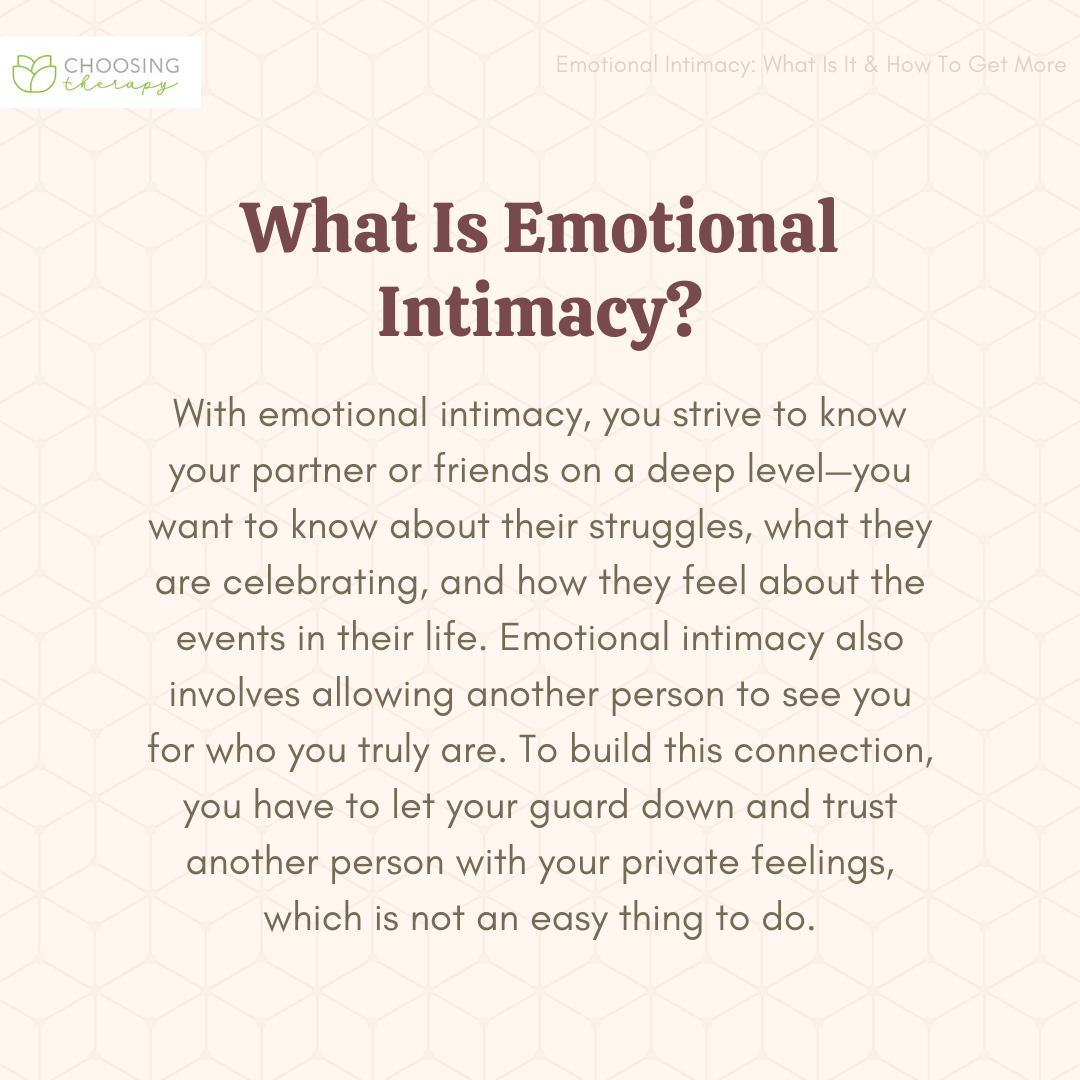
Emotional intimacy is characterized by a sense of safety and trust, allowing individuals to share their innermost thoughts, feelings, and vulnerabilities without fear of judgment or rejection. It's a reciprocal process where both partners feel seen, heard, and understood. This goes beyond simple companionship; it involves a deep understanding of each other's emotional landscape, including joys, sorrows, fears, and aspirations. This shared understanding forms the foundation upon which lasting bonds are built.
Key Components of Emotional Intimacy
Several key elements contribute to the development and maintenance of emotional intimacy:
- Trust: A fundamental prerequisite. Without trust, vulnerability is impossible. Trust is built through consistent reliability, honesty, and respect.
- Vulnerability: Sharing one's authentic self, including imperfections and insecurities, fosters a deeper connection. It requires courage and a willingness to risk rejection.
- Empathy: The ability to understand and share the feelings of another. It involves actively listening, seeking to comprehend the other person's perspective, and responding with compassion.
- Self-Awareness: Understanding one's own emotions and how they impact relationships is crucial. Self-awareness enables effective communication and conflict resolution.
- Effective Communication: Open, honest, and respectful communication is essential for expressing needs and concerns, resolving conflicts, and fostering mutual understanding.
- Shared Values and Goals: While differences are inevitable, shared values and life goals provide a common ground for deeper connection and mutual support.
- Respect: Acknowledging and valuing each other's individuality, opinions, and boundaries is fundamental to a healthy relationship.
Navigating the Challenges of Emotional Intimacy
The path to emotional intimacy is not without its obstacles. Many factors can hinder its development and maintenance:
Fear of Vulnerability
One of the most significant barriers is the fear of vulnerability. Sharing deeply personal feelings can feel risky, exposing oneself to potential rejection or hurt. Past experiences of betrayal or emotional neglect can exacerbate this fear, making it difficult to trust others.
Communication Barriers
Ineffective communication can severely impede emotional intimacy. Misunderstandings, lack of active listening, and defensive communication styles can create distance and prevent genuine connection. Differences in communication styles can also contribute to challenges.
Past Trauma
Past trauma, whether it be childhood experiences or past relationships, can significantly impact one's ability to form emotionally intimate connections. Trauma can lead to trust issues, emotional detachment, and difficulties expressing or processing emotions.
Differing Attachment Styles
Attachment theory highlights different styles of attachment, which can influence how individuals approach intimacy. Individuals with insecure attachment styles may struggle with vulnerability, trust, or emotional regulation, impacting their ability to form deep connections.
External Stressors
External stressors, such as work pressures, financial difficulties, or family conflicts, can create emotional distance and make it challenging to prioritize emotional intimacy. Stress can lead to irritability, reduced patience, and difficulty focusing on the relationship.
Strategies for Cultivating Emotional Intimacy
Developing emotional intimacy requires conscious effort and a commitment to personal growth. Several strategies can facilitate this process:
Enhance Self-Awareness
Understanding one's own emotions, triggers, and patterns of behavior is crucial. Self-reflection, journaling, and therapy can be valuable tools for gaining self-awareness.
Practice Active Listening
Active listening involves paying full attention to the speaker, seeking to understand their perspective, and responding with empathy. It's about more than just hearing words; it's about understanding the underlying emotions.
Develop Effective Communication Skills
Learning to express needs and feelings assertively, without blame or criticism, is vital. Conflict resolution skills are also crucial for navigating disagreements constructively.
Cultivate Trust and Vulnerability
Gradually increasing vulnerability by sharing personal experiences and emotions can strengthen trust. It's important to start with smaller disclosures and build trust over time.
Seek Professional Support
Couples therapy can provide a safe space to address communication issues, resolve conflicts, and develop strategies for enhancing emotional intimacy. Individual therapy can also be beneficial for addressing personal challenges that may be hindering intimacy.
Prioritize Quality Time
Regularly scheduling dedicated time for connection, without distractions, is crucial. This could involve engaging in shared activities, having meaningful conversations, or simply spending time together in quiet reflection.
Practice Empathy and Compassion
Actively seeking to understand the other person's perspective, even when disagreeing, demonstrates empathy and fosters a sense of validation. Responding with compassion, even during challenging times, strengthens the bond.
Conclusion
Emotional intimacy is a dynamic and evolving process that requires ongoing effort and commitment from both partners. While challenges are inevitable, understanding the key components, recognizing potential obstacles, and actively employing strategies for cultivating intimacy can significantly enhance relationships, leading to deeper connections, greater fulfillment, and lasting bonds. The journey towards emotional intimacy is a rewarding one, enriching not only the relationship but also the lives of the individuals involved.
0 comments:
Post a Comment
Note: Only a member of this blog may post a comment.