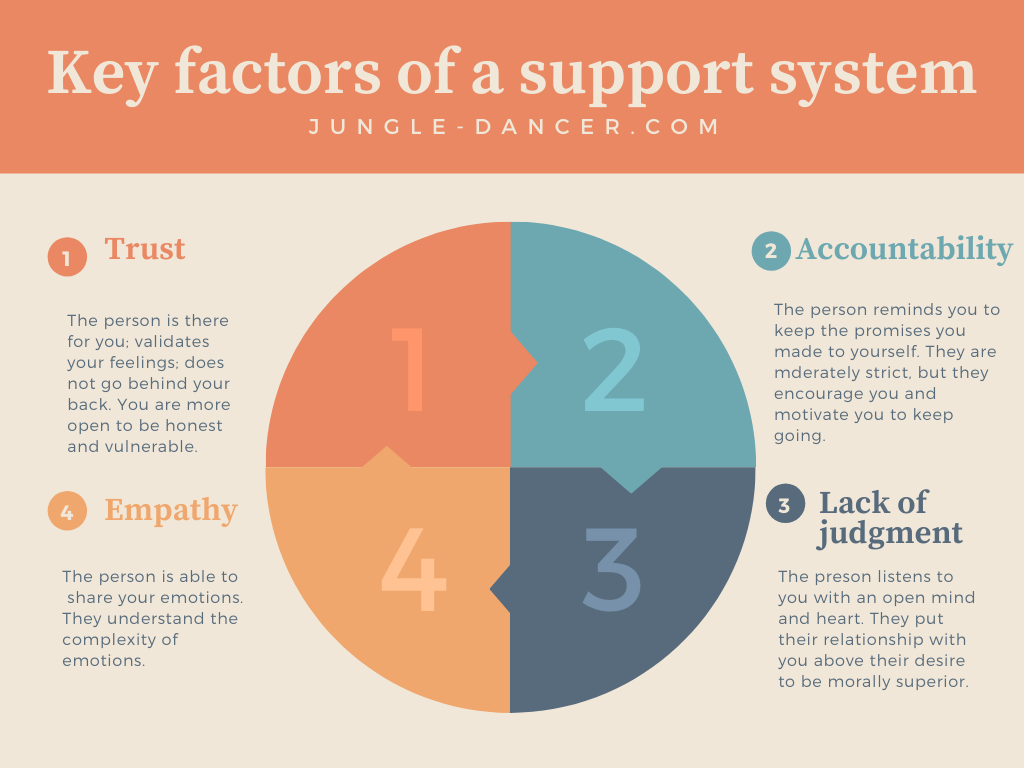
Building a Support System: Finding Strength in Others
The human experience is inherently social. We are wired for connection, for belonging, and for mutual support. While individual resilience is crucial, the ability to cultivate and leverage a robust support system significantly enhances our capacity to navigate life's inevitable challenges, both big and small. Building such a system requires intentionality, effort, and a willingness to both give and receive. This article explores the multifaceted nature of support systems, outlining strategies for their development and maintenance, and emphasizing the profound impact they have on overall well-being.
Understanding the Importance of a Support System
A strong support system acts as a buffer against stress, offering a vital lifeline during periods of adversity. Its benefits extend far beyond simply providing emotional comfort; a robust network can facilitate practical assistance, enhance mental and physical health, and even contribute to increased longevity. The absence of such a network, conversely, can exacerbate feelings of isolation, loneliness, and helplessness, negatively impacting both mental and physical health outcomes.
The Protective Effects of Social Connection
Numerous studies have demonstrated a correlation between strong social connections and improved health outcomes. Individuals with robust support systems tend to exhibit lower rates of depression, anxiety, and cardiovascular disease. This is attributable to several factors, including:
- Reduced stress levels: Knowing you have people to rely on during stressful periods significantly diminishes the physiological impact of stress.
- Increased coping mechanisms: Support systems offer diverse perspectives, practical advice, and emotional encouragement, bolstering coping abilities.
- Improved self-esteem: Feeling valued and accepted by others fosters a sense of self-worth and confidence.
- Enhanced resilience: The collective strength derived from supportive relationships allows individuals to bounce back more effectively from setbacks.
The Negative Consequences of Social Isolation
Conversely, the absence of a strong support system can have detrimental effects. Social isolation and loneliness are increasingly recognized as significant public health concerns, linked to an increased risk of:
- Depression and anxiety: Lack of social interaction can intensify feelings of isolation and hopelessness.
- Cognitive decline: Studies suggest a link between social isolation and an increased risk of dementia.
- Weakened immune system: Chronic loneliness can negatively impact immune function, making individuals more susceptible to illness.
- Increased mortality risk: Research indicates a correlation between social isolation and a higher risk of premature death.
Cultivating a Strong Support System
Building a robust support system is not a passive process; it requires proactive engagement and a willingness to invest time and effort. The following strategies can facilitate the development of meaningful connections:
Identifying Existing Connections and Strengthening Them
Before actively seeking new connections, it's crucial to assess existing relationships. Many individuals already possess a network of friends, family, colleagues, and acquaintances who could become integral parts of their support system. Strengthening these bonds involves:
- Regular communication: Maintaining consistent contact, even through brief interactions, fosters a sense of connection.
- Quality time: Prioritizing shared activities and meaningful conversations deepens relationships.
- Open communication: Sharing both joys and struggles promotes vulnerability and trust.
- Active listening: Showing genuine interest in the lives of others strengthens reciprocal bonds.
Expanding Your Network
While strengthening existing relationships is crucial, expanding one's network can provide additional sources of support. This can involve:
- Joining groups and clubs: Participating in activities aligned with personal interests creates opportunities to meet like-minded individuals.
- Volunteering: Contributing to a cause you care about connects you with others who share your values.
- Taking classes or workshops: Learning new skills provides opportunities for social interaction and the formation of new relationships.
- Utilizing online communities: Online forums and support groups can offer connections with individuals facing similar challenges.
Seeking Professional Support
Professional support, such as therapy or counseling, can be an invaluable component of a comprehensive support system. Therapists provide a safe and confidential space to explore personal challenges, develop coping strategies, and process difficult emotions. They can also help individuals identify and address underlying issues that may be hindering the development of healthy relationships.
Maintaining a Healthy Support System
Building a support system is an ongoing process; nurturing and maintaining these relationships requires consistent effort. Key strategies include:
- Reciprocity: Support systems are built on mutual exchange; strive to give as much as you receive.
- Boundaries: Establishing healthy boundaries protects both your well-being and the integrity of the relationships.
- Regular evaluation: Periodically assess your support system, identifying areas that need strengthening or relationships that may no longer be beneficial.
- Self-care: Prioritizing self-care ensures you have the emotional and physical resources to nurture your relationships and effectively receive support.
Conclusion
Cultivating a strong support system is an investment in overall well-being. The benefits extend far beyond emotional comfort, impacting physical health, resilience, and longevity. By proactively engaging in relationship building, nurturing existing connections, and seeking professional support when needed, individuals can create a robust network that provides strength, encouragement, and a sense of belonging throughout life's journey. Remember that building a strong support system is a continuous process requiring effort and intentionality, but the rewards are immeasurable.
0 comments:
Post a Comment
Note: Only a member of this blog may post a comment.