Tuesday, November 26, 2024

The No Contact Rule: Does It Work?

The No Contact Rule: Does It Work?

The No Contact Rule: Does It Work?

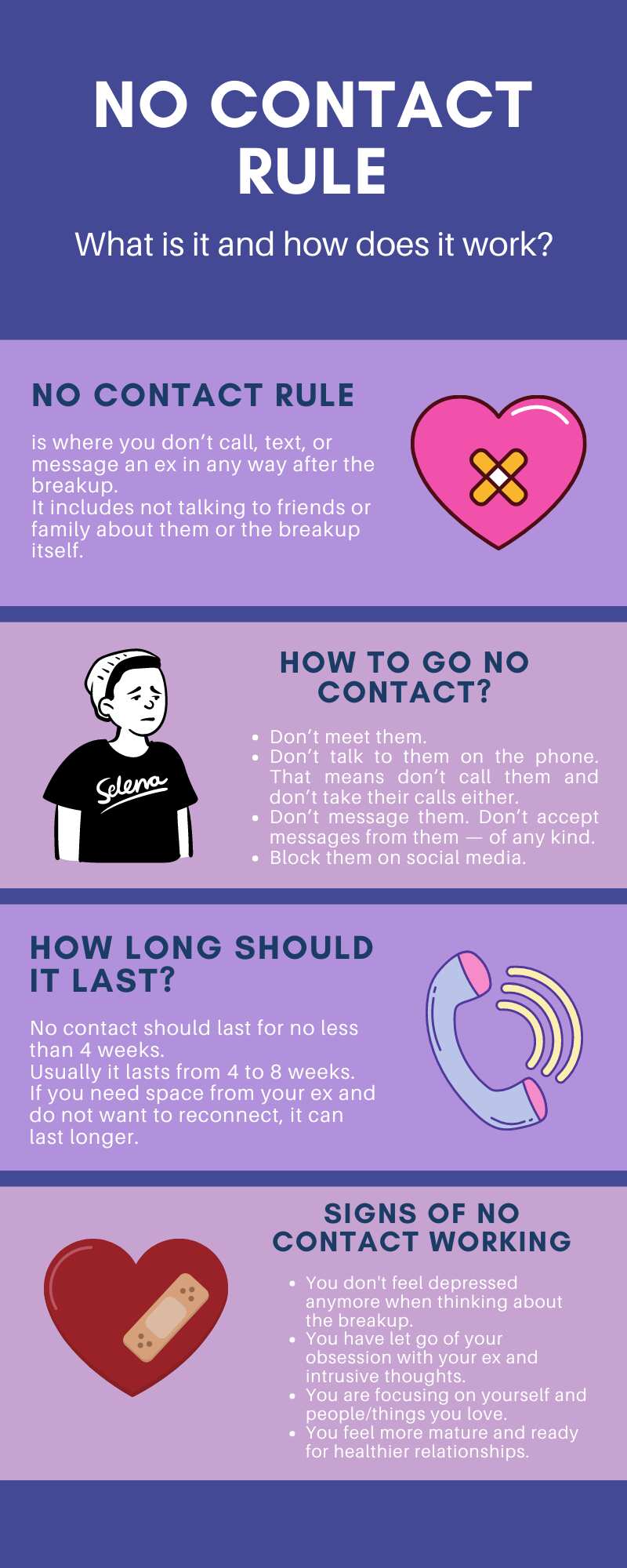
Heartbreak. It’s a universal experience, leaving us reeling, confused, and desperately seeking answers. One strategy that frequently surfaces in the aftermath of a relationship's demise is the "no contact rule." This involves completely cutting off communication with your exâ€"no texts, no calls, no social media stalking, nothing. But does this seemingly drastic measure actually work? The answer, like most things related to human relationships, is nuanced and depends on various factors. This article delves into the complexities of the no-contact rule, exploring its potential benefits, drawbacks, and ultimately, whether it's the right choice for *you*.

Understanding the Rationale Behind No Contact

The core idea behind the no-contact rule rests on several psychological principles. Primarily, it aims to create emotional distance. By eliminating the constant temptation to reach out or check up on your ex, you give yourself space to heal and process your emotions without the distraction of their presence (or perceived presence through social media). This allows you to begin the crucial process of self-reflection and rediscovering your sense of self outside the context of the relationship. Furthermore, it can shift the power dynamic. When you consistently initiate contact, you subconsciously reinforce their control over your emotions. No contact, conversely, can re-establish a sense of personal agency and self-respect.

Potential Benefits of the No Contact Rule

Emotional Healing and Self-Discovery

The most significant benefit is the opportunity for genuine emotional healing. Without the constant reminders of the lost relationship, you can focus on processing your grief, anger, and sadness. This dedicated time allows for introspection, helping you identify patterns in your relationships and understand your emotional needs better. You can begin to rebuild your self-esteem and self-worth, independent of your ex's validation.

Improved Perspective and Clarity

Distance often provides clarity. The intensity of the breakup fades, allowing you to see the relationship more objectively. You can analyze its strengths and weaknesses without the emotional fog clouding your judgment. This objective perspective can help you understand what went wrong and what you might do differently in future relationships. It also allows you to recognize whether reconciliation is genuinely desirable or simply a result of clinging to the familiar.

Regaining Personal Power

The no-contact rule can be powerfully empowering. By refusing to chase or plead, you reclaim your autonomy and self-respect. It demonstrates self-control and emotional maturity, qualities that ultimately benefit you, regardless of your ex's reaction. This shift in mindset is crucial for moving on and building healthy relationships in the future.

When No Contact Might Not Be Effective

While often lauded, the no-contact rule isn't a universally effective solution. Its success hinges heavily on the circumstances of the breakup. For instance, if the relationship ended due to infidelity or abuse, no contact is generally recommended for safety and healing. However, in situations involving misunderstandings or disagreements that might be resolved through communication, forcing a complete silence might be counterproductive. Furthermore, some individuals might find the silence exacerbates their anxiety and loneliness, hindering rather than helping their healing process.

Alternatives to No Contact

If the no-contact rule feels too extreme or ineffective, consider alternative approaches. These could include limiting contact to essential communication only (if shared responsibilities necessitate it), establishing clear boundaries to prevent emotional manipulation, or seeking professional help from a therapist to process the breakup constructively. Remember, the goal is to heal and move forward; the method you choose should align with your individual needs and circumstances. Prioritizing your mental health should always be the ultimate priority.

Conclusion: A Personalized Approach

The no-contact rule isn't a magic bullet. Its effectiveness depends on individual situations and personalities. While it can be a valuable tool for fostering emotional healing and gaining perspective, it's crucial to approach it thoughtfully and consider potential drawbacks. Ultimately, the most important aspect is prioritizing your well-being and choosing the approach that best supports your healing journey. If you̢۪re struggling, seeking professional guidance is always a wise decision.

Is Your Ex The One? Signs You Should Reconcile

Is Your Ex The One? Signs You Should Reconcile

Is Your Ex The One? Signs You Should Reconcile

Okay, so you're thinking about your ex. Again. We've all been there. That bittersweet pang of nostalgia, the "what if" whispers in the back of your mind. Maybe you're scrolling through old photos, listening to your "song," or just generally feeling…blah. But before you text them a drunken confession at 2 AM (been there, done that, totally regret it), let's take a breath and rationally assess if getting back together is actually a good idea. This isn't about impulsive decisions; it's about making a conscious, informed choice.

This isn't a guarantee of happily ever after, because honestly, no relationship is. But if you're seriously considering reconciliation, these signs might just help you decide if it's worth another shot.

Signs It Might Be Worth a Second Chance

Let's be honest, sometimes the grass isn't greener; sometimes it's just…different. And sometimes, "different" isn't better.

You've Both Grown and Changed

Relationships end for a reason. Often, it's because two people aren't compatible at that time. But people change. Have you both had time to reflect on what went wrong? Have you actively worked on those issues? Maybe you were too immature, too focused on your career, or lacked communication skills. If you've both addressed the root problems that caused the breakup and are now better equipped to handle them, that's a strong sign.

The Reason for the Breakup Is Resolved

This is crucial. Was it infidelity? A significant personality clash? A lack of commitment? If the reason for the breakup is still present, then reconciliation is likely doomed. You need to make sure the underlying issues are genuinely addressed and resolved before even considering getting back together. Don't just sweep it under the rug; actively confront and fix it.

You Miss Them, Not Just the Idea of Them

This is a big one. Do you miss their specific quirks, their laugh, their support, their presence in your life? Or are you just missing the comfort of being in a relationship, the idea of having someone? Missing the *person* is key. A healthy reconciliation comes from missing the individual, not simply the feeling of being coupled up.

You Have a Strong Foundation of Friendship

Remember that feeling of easy conversation, mutual respect, and genuine connection? If you can still have those things, even post-breakup, it indicates a solid foundation to build upon. If your friendship is strained or non-existent, reconciliation might be built on shaky ground.

You Both Want the Same Thing

This seems obvious, but it's so important. Are you both genuinely committed to making the relationship work this time? Are you on the same page about your future goals? Having different visions for your life can cause serious friction down the line. Open and honest communication about your expectations is essential.

Signs You Should Probably Move On

Sometimes, no matter how much you want it, getting back together isn't the answer. Recognize these red flags.

You Haven't Addressed the Root Problems

This is arguably the biggest red flag. If you're thinking about getting back together without tackling the issues that led to the breakup in the first place, you're setting yourselves up for failure. It's like building a house on a cracked foundation â€" it's eventually going to crumble.

It's Just Boredom or Loneliness

We all have moments of loneliness. But don't confuse temporary feelings with a genuine desire to reconcile. If you're only considering getting back together because you're bored or lonely, it's not fair to your ex or yourself. Find healthy ways to cope with loneliness before jumping back into a relationship.

One Person Is Hesitant

If one person is genuinely hesitant or unsure, it's a huge sign to proceed with caution. A successful relationship needs mutual commitment and desire. Pressuring someone into a relationship will likely only lead to resentment and another breakup.

There's a Lack of Trust

Trust is the bedrock of any strong relationship. If trust was broken in your previous relationship and hasn't been rebuilt, it will be incredibly challenging to create a healthy, secure partnership. Reconciling without addressing the trust issues is setting yourself up for a lot of heartache.

You̢۪re Idealizing the Past

Remember, nostalgia is a powerful force. You might be romanticizing the good times and ignoring the bad. It's important to have a realistic view of your past relationship, acknowledging both the positives and the negatives. An honest assessment is crucial before making any decisions.

Taking the Next Step

If you̢۪ve weighed the pros and cons and believe reconciliation might be a possibility, proceed with caution and intentionality.

  • Have an honest conversation: Talk openly and honestly about your feelings, the reasons for the breakup, and what you've both learned since then.
  • Set clear expectations: Discuss your goals for the relationship and what you both expect from each other.
  • Take things slow: Don't rush into things. Allow yourselves time to rebuild trust and re-establish a connection.
  • Seek professional help: If you feel you need guidance, consider couples therapy. A therapist can provide a neutral space to work through any remaining issues.
  • Commonly Asked Questions

    Here are some frequently asked questions about getting back together with an ex:

    Q: How long should I wait before contacting my ex?

    A: There's no magic number. Give yourselves time to heal and reflect. Focus on self-improvement and addressing any personal issues before reaching out.

    Q: Should I apologize?

    A: If you were at fault, a genuine apology is essential. But avoid overly dramatic or insincere apologies.

    Q: What if my ex isn't interested?

    A: Respect their decision. It's important to accept that they may not want to reconcile, and that's okay. Focus on your own well-being and moving forward.

    Q: How do I know if it's the right decision?

    A: There's no easy answer. Consider all the factors discussed above. Trust your gut feeling, but also rely on logic and reason. If you're unsure, seeking professional advice can be helpful.

    Ultimately, the decision of whether or not to reconcile with your ex is a personal one. Weigh the pros and cons carefully, and remember that putting yourself first is always important. Good luck!

    Reigniting the Flame: Tips for a Successful Reunion

    Reigniting the Flame: Tips for a Successful Reunion

    Reigniting the Flame: Tips for a Successful Reunion

    So, you're planning a reunion! That's awesome! Whether it's a high school get-together, a college reunion, a family gathering, or even a reunion with old friends from a past life (like that epic band you were in!), planning a successful one takes more than just throwing a date on a Facebook event. It needs some serious thought and planning, and that's where I come in. I've been to my fair share of reunions â€" some amazing, some… well, let's just say they could've used a little more planning. Let's make yours one for the books!

    1. Laying the Groundwork: Planning is Key!

    Before you start sending out invites, you need a solid plan. Think of it like building a house â€" you wouldn't start laying bricks without a blueprint, right? The same goes for a reunion. Here's what you need to consider:

    Who's Coming (and Who's Not)?

    First, identify who you're trying to reach. Create a list of contacts â€" this might involve some serious digging through old yearbooks, social media, or even asking mutual friends. Realistically, you won't get everyone, and that's okay! Don't let the impossible goal of 100% attendance discourage you.

    Setting a Date and Location

    Choosing the right date is crucial. Consider holidays, major sporting events, and other potential conflicts. Send out a poll to gauge everyone's availability. For the location, think about accessibility, budget, and the overall vibe you're aiming for. A casual backyard BBQ might work for some groups, while others might prefer a fancier restaurant or rented venue.

    Budgeting and Funding

    Let's talk money. Be upfront about costs. Will attendees be paying for their own food and drinks, or will there be a set fee? Consider setting up a crowdfunding page or designating someone to manage the finances. Transparency is key to avoiding any misunderstandings down the line.

    2. Connecting the Dots: Communication is Everything

    Once you have the basics down, it's time to start communicating with your potential attendees. This is where things get fun (and potentially slightly stressful!).

    Creating a Memorable Invitation

    Don't just send a generic email. Put some thought into the invitation. Include photos from the past, a fun anecdote about the group, and clear instructions on how to RSVP. Consider using a website or dedicated platform for the reunion; this makes it easier to manage RSVPs, share updates, and gather contact information.

    Staying in Touch

    Don't just send one email and then disappear! Keep everyone updated on the planning process. Send out regular updates, answer questions promptly, and encourage interaction among attendees. Consider creating a dedicated Facebook group or using a messaging app to facilitate communication.

    Handling RSVPs and Dietary Restrictions

    Keep track of who's coming and who's not. This will help you finalize the venue and catering arrangements. Don't forget to ask about dietary restrictions and allergies â€" this is essential for ensuring everyone feels included and comfortable.

    3. The Main Event: Making it Memorable

    The big day is here! Let's make sure it's unforgettable.

    Planning Activities and Entertainment

    A successful reunion isn't just about eating and drinking. Plan some activities to encourage interaction and create lasting memories. This could be anything from a slideshow of old photos to a karaoke session, games, or even a themed activity related to your shared history. Keep it varied to appeal to different interests.

    Capturing the Memories

    Make sure you have a way to capture the memories! Consider hiring a photographer or videographer, or simply designate someone to take photos throughout the event. Encourage attendees to share their own photos and videos using a specific hashtag on social media.

    Creating a Relaxed Atmosphere

    Remember that the goal is to reconnect and have fun. Create a relaxed and welcoming atmosphere where everyone feels comfortable. Encourage conversation and mingling, but don't force interaction. Some people might need time to warm up, and that's perfectly fine.

    4. Beyond the Big Day: Keeping the Spark Alive

    The reunion doesn't have to end when the party does! Consider ways to keep the connection going after the event.

    Sharing Photos and Videos

    Once the dust settles, share photos and videos from the event with everyone who attended. This helps relive the memories and keeps the energy going.

    Planning Future Gatherings

    If the reunion was a success, why not plan another one? Start discussing the possibility of future get-togethers while everyone is still feeling the positive vibes. Perhaps make it a less formal event or rotate locations.

    Staying Connected Online

    Keep the communication channels open. Encourage people to connect on social media or join a group chat to continue sharing updates and staying in touch.

    Frequently Asked Questions

    Q: How far in advance should I start planning?

    A: The more time you have, the better! Ideally, start planning at least 6-12 months in advance, especially for larger reunions.

    Q: What if I don't know everyone's contact information?

    A: Reach out to mutual friends, use social media, and consider posting a message on online forums related to your group (like a school alumni network).

    Q: How much should I charge attendees?

    A: This depends on the scale of the event. Consider the costs of the venue, food, drinks, and any activities. Be transparent about the budget and pricing.

    Q: What if some people can't make it?

    A: It's impossible to get everyone! Don't let that discourage you. Focus on making it a great event for those who can attend.

    Q: How do I handle potential drama or conflicts?

    A: Try to be proactive and address any potential issues before the reunion. Have a plan for handling conflicts should they arise, and emphasize a spirit of understanding and forgiveness.

    Planning a reunion takes effort, but the rewards are immeasurable. Remember to have fun, stay organized, and cherish the opportunity to reconnect with those who have shaped your life. Good luck!

    Monday, November 25, 2024

    Winning Her Back: The Importance of Patience

    Winning Her Back: The Importance of Patience

    Winning Her Back: The Importance of Patience

    Okay, so things didn't work out with her. Heartbreak sucks, I know. But before you start scrolling through dating apps or drowning your sorrows in ice cream (although, a little ice cream never hurts!), let's talk about something crucial if you genuinely want her back: patience. It's not a magical fix-all, but it̢۪s a game-changer. Think of it as the unsung hero of relationship reconciliation.

    I'm not saying you should sit around and wait for her to come crawling back. That's passive and frankly, unproductive. But rushing things, bombarding her with messages, or making impulsive decisions fueled by desperation? That's a recipe for disaster. This is about a strategic, thoughtful approach that acknowledges the time and space needed for healing and reflection â€" both for you and for her.

    Understanding Why Patience is Key

    Let's get real: breakups are messy. They involve hurt feelings, unmet expectations, and a whole lot of emotional baggage. Jumping back into things before either of you has processed these emotions is like trying to build a house on a shaky foundation. It's just not going to last.

    Giving Her Space to Breathe

    She needs time to think, to process what happened, and to figure out what she wants. Bombarding her with calls, texts, and social media posts will only push her further away. Respect her need for space, and it shows maturity and consideration â€" qualities that are attractive in a partner.

    Allowing Yourself to Heal

    You need time too! Breakups are incredibly difficult. You need to process your emotions, understand your role in the breakup (yes, even if you feel you're completely blameless), and learn from the experience. Ignoring your own emotional well-being will only hinder your ability to approach the situation maturely later on.

    Rebuilding Trust Takes Time

    If you want to win her back, you're going to need to rebuild trust. That doesn't happen overnight. It requires consistent, positive actions over an extended period. Patience allows you to demonstrate genuine change and commitment â€" not just words, but consistent actions.

    Practical Steps to Cultivate Patience

    Patience isn't just about waiting; it's about actively working *on* yourself while you wait. Here's how:

    Focus on Self-Improvement

    Use this time to focus on yourself. Hit the gym, take up a new hobby, reconnect with old friends, or finally pursue that passion project you've been putting off. This isn't about becoming a better person *for* her; it's about becoming a better person *for yourself*. This self-growth will make you more attractive, confident, and well-rounded, regardless of the outcome with her.

    Reflect on the Relationship

    Honestly analyze what went wrong. What were your contributions to the problems? What could you have done differently? Honest self-reflection is crucial for growth and preventing the same mistakes in future relationships.

  • Avoid blaming her entirely. Take ownership of your role.
  • Identify recurring patterns. Did you have communication issues? Were there underlying conflicts you neglected?
  • Learn from the experience. What are your takeaways? How can you be a better partner in the future?
  • Build a Supportive Network

    Lean on your friends and family for support during this difficult time. Talking about your feelings, venting frustrations, and getting different perspectives can be incredibly helpful. Don't isolate yourself â€" you need a strong support system to navigate this.

    Resist the Urge to Contact Her (Mostly!)

    This is tough, but crucial. Resist the temptation to constantly text, call, or message her. A brief, respectful message acknowledging the breakup is okay, but after that, give her space. Excessive contact will only reinforce negative feelings and push her further away.

    When to Reach Out (and How)

    After a suitable period of no contact (this varies depending on the relationship's length and the circumstances of the breakup, but a few weeks to a month is often a good starting point), you *might* consider reaching out. But even then, it needs to be done right:

  • Keep it brief and respectful. Avoid lengthy apologies or promises. A simple, "I've been thinking about you, and I wanted to see how you're doing," is sufficient.
  • Focus on her, not you. Don't use this as an opportunity to explain yourself or plead for another chance. Ask about her life, her well-being, and listen attentively to her response.
  • Respect her response. If she's not ready to talk, respect her wishes. Don't pressure her or try to change her mind.
  • Be prepared for any outcome. She might be receptive, she might be indifferent, or she might be completely closed off. Accept her response gracefully and move forward accordingly.
  • Remember, It's Not a Guarantee

    Let's be realistic: patience doesn't guarantee you'll win her back. Sometimes, breakups are final, and that's okay. But by focusing on self-improvement, respecting her space, and approaching the situation with maturity and patience, you'll increase your chances significantly and, more importantly, you'll emerge from this experience a stronger, more well-rounded person.

    And that's a win, regardless of the outcome with her.

    Frequently Asked Questions

    Q: How long should I wait before contacting her?

    A: There's no magic number. It depends on the length and intensity of the relationship and the reason for the breakup. A few weeks to a month is often a good starting point, but sometimes longer is necessary. Focus on your self-improvement and allow ample time for healing before reaching out.

    Q: What if she's dating someone else?

    A: If she's moved on, respect that. It doesn't mean your efforts were in vain; it simply means she's found someone else who fills her needs. Focus on your own growth and happiness.

    Q: What if she says she doesn't want to get back together?

    A: Accept her decision gracefully. Don't argue, plead, or try to change her mind. Thank her for her time and move on. It's difficult, but respecting her decision is crucial for your own emotional well-being.

    Q: Is it okay to apologize?

    A: A sincere apology for your mistakes is appropriate, but avoid overdoing it. Focus on taking responsibility for your actions rather than dwelling on blame.

    Q: What if I don't think I did anything wrong?

    A: Even if you feel you're blameless, consider how your actions might have been perceived. Sometimes, miscommunication or differing expectations lead to breakups, even without intentional wrongdoing. Reflect on how you could have communicated better or addressed potential conflicts more effectively.

    Expressing Your Needs in a Relationship: Communicating Effectively Without Blame

    Expressing Your Needs in a Relationship: Communicating Effectively Without Blame

    Expressing Your Needs in a Relationship: Communicating Effectively Without Blame

    Healthy relationships thrive on open and honest communication. However, expressing your needs can be tricky. Often, we fall into the trap of blaming our partners, leading to defensiveness and conflict rather than understanding and resolution. This article provides practical strategies for communicating your needs effectively, fostering a more empathetic and supportive partnership. Learning to articulate your needs without resorting to blame is a crucial skill for building and maintaining a strong, fulfilling relationship.

    Understanding Your Own Needs

    Before you can effectively communicate your needs to your partner, you must first understand them yourself. Take some time for self-reflection. What are your emotional, physical, and mental needs? Consider your individual values and priorities. Are you craving more quality time together? Do you need more help with household chores? Are you feeling emotionally unsupported? Identifying these specific needs forms the foundation of clear communication. Journaling can be a helpful tool in this process â€" write down your feelings, noting specific situations that triggered those feelings. This level of self-awareness will empower you to articulate your needs confidently and specifically.

    Identifying Your Emotional Needs

    Emotional needs often go unaddressed, leading to resentment. Consider what makes you feel loved, secure, and appreciated. Do you need regular expressions of affection? Do you value open and honest conversations? Do you need reassurance and validation? Identifying these emotional needs will allow you to communicate them clearly without making your partner guess. Remember to focus on your own feelings rather than making accusations.

    Recognizing Your Practical Needs

    Beyond emotional needs, consider your practical requirements. This could involve anything from household chores and financial responsibilities to shared childcare or personal time. Being explicit about these practical needs prevents misunderstandings and ensures that you are both on the same page regarding household responsibilities and shared expectations. For example, instead of saying "You never help out around the house," try "I feel overwhelmed with the household chores. Could we work together to create a more balanced division of labor?"

    Communicating Your Needs Effectively

    Once you̢۪ve identified your needs, it̢۪s time to communicate them assertively but kindly. Avoid accusatory language; instead, focus on using "I" statements. This shifts the focus from blaming your partner to expressing your own feelings and experiences. For example, instead of saying "You always leave your clothes on the floor," try "I feel frustrated when I see clothes on the floor because it makes me feel like I'm doing all the housework." This subtle shift in language can dramatically change the tone of the conversation, fostering a more receptive environment for your partner.

    Using "I" Statements

    "I" statements are a powerful tool for expressing your needs without placing blame. They follow a simple formula: "I feel [emotion] when [situation] because [reason]." This structure allows you to clearly communicate your feelings without making accusations. This approach encourages empathy and understanding, making your partner more likely to respond positively.

    Active Listening and Empathy

    Effective communication isn't a one-way street. After expressing your needs, actively listen to your partner's perspective. Show empathy and try to understand their point of view, even if you don't agree with it. This demonstrates respect and fosters a collaborative environment for problem-solving. Remember that communication is a two-way process requiring mutual understanding and compromise.

    Finding Solutions Together

    Once you̢۪ve both expressed your needs and listened to each other, work together to find solutions that meet both your needs. Brainstorming ideas together can foster a sense of collaboration and shared responsibility. It's essential to find solutions that are mutually acceptable, demonstrating respect for each other's perspectives and emotional well-being. Be flexible and willing to compromise to achieve a mutually beneficial outcome.

    Compromise and Collaboration

    Remember that a successful relationship involves compromise. Be open to negotiating and finding solutions that work for both of you. This demonstrates respect for your partner's needs and strengthens the bond between you. Be willing to adjust your approach based on your partner's feedback, showing flexibility and willingness to work towards a common goal.

    In conclusion, expressing your needs effectively involves self-awareness, mindful communication, and a collaborative spirit. By focusing on "I" statements, active listening, and finding mutually agreeable solutions, you can cultivate a stronger, healthier, and more fulfilling relationship built on mutual understanding and respect.

    The Healing Process: Embracing Change After a Breakup

    The Healing Process: Embracing Change After a Breakup

    The Healing Process: Embracing Change After a Breakup

    Okay, so you’ve gone through a breakup. It sucks, right? I’m not going to sugarcoat it; breakups are tough. They’re messy, they’re emotional, and they leave you feeling… well, a whole lot of things. But the good news is, you *will* get through this. This isn't a race, it's a journey, and I'm here to help you navigate it. This isn't about magically erasing the pain overnight; it's about understanding the process and giving yourself the grace and time you need to heal.

    Understanding Your Emotions: The Rollercoaster Ride

    First things first, acknowledge your feelings. Don’t try to bottle them up. You’re allowed to feel angry, sad, confused, relieved, heartbroken… the whole shebang. Breakups stir up a whirlwind of emotions, and it's completely normal to feel like you're on an emotional rollercoaster. One minute you're crying your eyes out, the next you're reminiscing about good times, and then BAM, anger hits you like a ton of bricks. It's all part of the process.

    Allow Yourself to Grieve

    Think of a breakup as a kind of death. The death of a relationship, of a future you envisioned, of a shared life. It's okay, and even necessary, to grieve the loss. Don't rush the grieving process. Let yourself cry, scream into a pillow, whatever you need to do to release those emotions. Suppressing your feelings will only prolong the healing process.

    Recognize the Stages of Grief (It's not linear!)

    While everyone experiences grief differently, there are some common stages you might go through: denial, anger, bargaining, depression, and acceptance. It̢۪s important to understand that these stages aren't necessarily linear. You might bounce back and forth between them, and that's perfectly fine. Don't expect to neatly check off each stage one by one.

    Taking Care of Yourself: Self-Love is Key

    This is arguably the most important part. When you̢۪re going through a breakup, it̢۪s easy to neglect yourself. But now more than ever, you need to prioritize self-care. Think of it as investing in your future, happier self.

    Prioritize Physical Health

    Breakups can wreak havoc on your physical health. You might lose your appetite, struggle to sleep, or find yourself reaching for comfort food (we've all been there!). Try to maintain a healthy diet, even if it's just small, nutritious meals. Get some exercise â€" even a short walk can make a difference. And prioritize sleep, as much as possible. Your body needs rest to heal.

    Nurture Your Mental Health

    This is crucial. Consider talking to a therapist or counselor. They can provide a safe space to process your emotions and develop healthy coping mechanisms. Don't be afraid to reach out to friends and family for support, too. Lean on your support system; they're there for you.

    Engage in Activities You Enjoy

    Reconnect with hobbies you̢۪ve neglected or discover new ones. Whether it̢۪s painting, reading, hiking, or playing video games, find activities that bring you joy and help you relax. Rediscovering yourself and your passions is a big part of the healing process.

    Moving Forward: Rebuilding Your Life

    Breakups often force you to re-evaluate your life. It's a chance to rebuild and create something new, something better aligned with your needs and desires.

    Set Boundaries

    This is especially important if you're still in contact with your ex. Establish clear boundaries to protect your emotional well-being. This might mean limiting contact, unfollowing them on social media, or even completely cutting them off. It̢۪s your life, your rules.

    Focus on Personal Growth

    Use this time to focus on yourself and your personal growth. What are your goals? What do you want to achieve? Breakups can be catalysts for positive change. Embrace this opportunity to become the best version of yourself.

    Embrace New Experiences

    Step outside your comfort zone! Try new things, meet new people, explore new places. Expanding your horizons can help you move on and create new memories. Say yes to things you might normally say no to.

    Forgive Yourself and Your Ex (Eventually)

    This is a big one. It̢۪s important to forgive yourself for any mistakes you made in the relationship. And, eventually, it̢۪s also important to forgive your ex. Holding onto anger and resentment will only hurt you in the long run. Forgiveness doesn't mean condoning their actions; it means releasing the negativity and moving on with your life. This takes time, don't rush it.

    When to Seek Professional Help

    While going through a breakup is tough, it's usually something you can navigate with the support of friends and family. However, if you're experiencing persistent feelings of sadness, hopelessness, or anxiety that significantly interfere with your daily life, don't hesitate to seek professional help. A therapist can provide guidance and tools to help you cope with your emotions and move forward.

    Commonly Asked Questions

    Q: How long does it take to get over a breakup?

    A: There's no magic timeline. It varies greatly depending on the length and intensity of the relationship, your personality, and your support system. Be patient with yourself and allow yourself the time you need to heal.

    Q: Should I stay friends with my ex?

    A: This is a personal decision. For some, remaining friends can be healthy, while for others, it can hinder the healing process. Consider what's best for your emotional well-being. Sometimes, distance is necessary.

    Q: How do I stop thinking about my ex?

    A: It's normal to think about your ex, especially in the beginning. Try to distract yourself with activities you enjoy, and when thoughts of your ex arise, gently redirect your attention to something else. Journaling can also be a helpful tool to process your feelings.

    Q: Is it okay to feel angry or resentful?

    A: Absolutely! Anger and resentment are natural emotions after a breakup. Allow yourself to feel them, but don't let them consume you. Find healthy ways to express your emotions, such as talking to a friend, writing in a journal, or exercising.

    Q: When should I start dating again?

    A: There̢۪s no right or wrong answer here. Wait until you feel emotionally ready and healed from your previous relationship. Dating before you̢۪re ready can complicate the healing process and lead to unhealthy relationships.

    Remember, you̢۪re not alone. Breakups are challenging, but you are resilient. Take things one day at a time, be kind to yourself, and allow yourself the time and space you need to heal. You̢۪ve got this!

    Sunday, November 24, 2024

    What to Do to Get My Ex Back Without Pushing Them Away

    What to Do to Get My Ex Back Without Pushing Them Away

    Reclaiming Lost Connections: A Measured Approach to Reconciliation

    The termination of a romantic relationship often leaves individuals grappling with a profound sense of loss and a yearning for reconciliation. While the desire to rekindle a past connection is understandable, pursuing this goal requires a delicate and measured approach. Impetuous actions can easily push your ex further away, hindering any chance of rebuilding the relationship. This comprehensive guide outlines strategies for re-establishing contact and fostering reconciliation without jeopardizing the possibility of a renewed connection.

    Understanding the Dynamics of Post-Breakup Interactions

    Before embarking on any attempt at reconciliation, it is crucial to understand the emotional landscape following a breakup. Both parties typically experience a complex interplay of emotions, including grief, anger, resentment, and relief. Ignoring or minimizing these emotions can be detrimental to the reconciliation process. Understanding your own emotions and those of your ex is the foundation upon which a successful approach can be built.

    Acknowledging the Role of Emotions

    Emotional regulation is paramount. Avoid impulsive actions driven by intense emotions such as desperation, anger, or jealousy. These emotions can manifest as incessant texting, pleading, or attempts to control your ex's behavior, all of which are counterproductive. Allow yourself time to process your emotions through healthy outlets, such as journaling, exercise, or therapy. This self-awareness will enable you to approach the situation with greater clarity and composure.

    Analyzing the Reasons for the Breakup

    Honest self-reflection is crucial. Analyze the contributing factors that led to the breakup. Identify your role in the dissolution of the relationship. Were there unresolved conflicts, communication breakdowns, or unmet needs? Acknowledge your shortcomings and develop a plan to address them. This demonstration of self-awareness and a willingness to change will significantly increase your chances of a successful reconciliation.

    Establishing Contact: A Gradual and Respectful Approach

    Initiating contact after a breakup requires sensitivity and respect for your ex's boundaries. Avoid overwhelming them with immediate demands or emotional pleas. A gradual and measured approach is more likely to yield positive results.

    The Importance of Timing

    Allow sufficient time for both of you to process the breakup. Contacting your ex too soon may be perceived as intrusive and disrespectful of their need for space. Consider the length and intensity of the relationship when determining the appropriate timeframe. Respecting their need for distance demonstrates maturity and consideration.

    Choosing the Right Method of Contact

    The method of initial contact should be carefully chosen. A brief, non-demanding text message or email is generally preferred over a phone call or in-person encounter. Avoid lengthy messages filled with emotional appeals. A simple, polite message acknowledging the past and expressing a desire to reconnect in a healthy manner is a good starting point. For example: "I've been doing a lot of thinking lately, and I wanted to reach out and see how you're doing. I value our past relationship and would appreciate the opportunity to talk when you're ready."

    Navigating the Conversation: Fostering Open Communication

    If your ex responds positively to your initial contact, the ensuing conversation requires careful navigation. Open, honest, and respectful communication is essential.

    Active Listening and Empathy

    Focus on active listening. Allow your ex to express their feelings and perspectives without interruption. Demonstrate empathy and understanding, even if you don't agree with everything they say. Acknowledging their emotions and validating their experiences shows respect and maturity.

    Addressing Past Issues

    Be prepared to discuss the reasons for the breakup. Acknowledge your mistakes and demonstrate a willingness to learn from them. Avoid making excuses or blaming your ex. Focus on solutions and a plan for addressing any underlying issues that contributed to the separation.

    Setting Realistic Expectations

    Reconciliation is not a guarantee. Approach the conversation with realistic expectations and be prepared for the possibility that your ex may not be ready or willing to rekindle the relationship. Respect their decision and avoid pressuring them.

    Maintaining Healthy Boundaries and Respecting Individual Needs

    Throughout the reconciliation process, maintaining healthy boundaries and respecting your ex's individual needs is paramount.

    Respecting Space and Time

    Avoid overwhelming your ex with excessive contact. Respect their need for personal space and time to reflect. Allow them to initiate contact as well. This demonstrates respect for their autonomy and reduces the risk of pushing them away.

    Avoiding Controlling Behavior

    Refrain from attempting to control your ex's behavior or decisions. This is a major red flag and can severely damage any chance of reconciliation. Focus on personal growth and self-improvement rather than trying to manipulate or change your ex.

    Prioritizing Self-Care

    Throughout this process, prioritize self-care. Engage in activities that promote your emotional and physical well-being. This will help you approach the situation with greater clarity and resilience, regardless of the outcome.

    Moving Forward: Acceptance and Self-Growth

    Ultimately, the success of a reconciliation attempt depends on both parties' willingness to address underlying issues and commit to building a healthier relationship. Even if reconciliation doesn't occur, the process can be a valuable opportunity for personal growth and self-discovery.

    Accepting the outcome, whether positive or negative, is crucial for moving forward. Learning from past experiences and focusing on personal growth will ultimately lead to a more fulfilling future, with or without your ex.

    Remember, the goal is to navigate this process with grace, respect, and a genuine desire for positive change. By following these guidelines, you can increase your chances of reconciliation while simultaneously respecting the autonomy and well-being of your ex.

    Texts to Discuss the Breakup with Your Ex: Addressing Unresolved Issues

    Texts to Discuss the Breakup with Your Ex: Addressing Unresolved Issues

    Navigating the Aftermath: Addressing Unresolved Issues After a Breakup

    Breakups are rarely clean. Even amicable separations often leave behind a residue of unresolved issues, lingering questions, and unspoken feelings. These unresolved matters can fester, impacting your emotional well-being and hindering your ability to move forward. This article offers a guide to addressing these lingering concerns, fostering closure, and promoting healthy healing after a relationship ends.

    Identifying the Unresolved Issues

    Before you can address unresolved issues, you need to identify them. This requires honest self-reflection. Avoid blaming your ex entirely; instead, focus on your own role in the relationship's dynamics and the specific points of contention that remain. Ask yourself:

    • Are there specific conversations we never had?
    • Did we leave important matters unfinished?
    • Are there lingering feelings of hurt, betrayal, or resentment?
    • Do I need to understand their perspective better?
    • Are there practical matters like finances or shared belongings that need resolving?

    Journaling can be a powerful tool here. Write down everything that comes to mind, even if it feels messy or illogical. This process will help you organize your thoughts and emotions, clarifying what needs to be addressed.

    Approaching the Conversation (If Necessary)

    Depending on the nature of the breakup and your relationship with your ex, you may decide to have a conversation to address unresolved issues. This isn't about rekindling the romance; it's about achieving closure. Approach the conversation with a clear purpose and boundaries.

    Setting the Stage for a Productive Conversation

    Choose a neutral location and a time when you both feel relatively calm. Clearly state your intentions upfront. For example, you might say, "I want to have a conversation about [specific unresolved issue] to gain some closure and move forward." Establish ground rules, like agreeing to listen respectfully, avoid accusations, and focus on resolving the issue at hand, not rehashing the entire relationship.

    Managing Expectations and Potential Outcomes

    Understand that your ex may not be willing or able to participate in this conversation. They may not share your desire for closure or may not be in a place to have a productive discussion. Accept this possibility and prepare yourself for various outcomes. Even if a conversation doesn't fully resolve everything, the attempt itself can provide a sense of agency and contribute to your healing process.

    Moving Forward Without a Conversation

    Sometimes, a conversation is impossible or undesirable. Perhaps your ex is unreachable, the relationship was abusive, or you feel it would be too emotionally taxing. In these cases, focus on self-healing. This involves acknowledging your feelings, processing them in a healthy way, and actively working toward emotional closure.

    Utilizing Healthy Coping Mechanisms

    Engage in activities that promote well-being. This could include therapy, journaling, spending time with supportive friends and family, exercising, pursuing hobbies, or practicing mindfulness techniques. These activities provide outlets for your emotions and help you build resilience.

    Remember that closure is not always a dramatic event. It̢۪s a process, a gradual shift in perspective where you accept the end of the relationship and move forward with your life. Prioritizing your own emotional well-being is crucial in navigating the aftermath of a breakup and successfully addressing any unresolved issues.

    Friday, November 22, 2024

    The Importance of Respecting Her Decision

    The Importance of Respecting Her Decision

    The Paramount Importance of Respecting Her Decision

    In a world often characterized by its push for immediate gratification and the relentless pursuit of influence, the simple act of respecting another person's decision, especially a woman's, transcends mere politeness; it becomes a cornerstone of genuine equality and healthy relationships. This respect isn't passive acceptance; it's an active acknowledgment of her autonomy, her right to choose her own path, regardless of whether it aligns with our expectations or preferences. Failing to grant this respect erodes trust, fosters resentment, and ultimately undermines the very foundations of mutual respect upon which strong relationships are built.

    Understanding the Nuances of Respect

    Respecting her decision doesn't mean silently agreeing or pretending to concur. It requires a genuine effort to understand her perspective, even if we fundamentally disagree with her choice. This understanding involves active listening, asking clarifying questions, and seeking to comprehend the reasoning behind her decision, rather than immediately resorting to judgment or criticism. We must actively work to understand the context of her life, her values, and the unique pressures she might be facing that inform her choices. Genuine respect acknowledges that her life experiences and perspectives may differ significantly from our own, and that these differences are valid and should be honored.

    The Ramifications of Disrespect

    Ignoring or dismissing a woman's decision carries significant consequences. It communicates a lack of trust in her judgment and capabilities, subtly (or overtly) suggesting that she is incapable of making sound decisions for herself. This undermines her confidence and self-esteem, potentially leading to a decline in her mental and emotional well-being. Furthermore, disrespect creates an environment of coercion and control, effectively silencing her voice and preventing her from fully participating in her own life. The long-term effects of such disrespect can be devastating, leading to strained relationships, decreased opportunities, and a general sense of powerlessness.

    Consequences in Different Contexts

    The impact of disrespect manifests differently across various aspects of a woman's life. In personal relationships, it can lead to conflict, mistrust, and ultimately, relationship breakdown. In professional settings, it can hinder career advancement, limit opportunities, and create a hostile work environment. Even in seemingly minor decisions, a lack of respect can chip away at the relationship, creating a pervasive sense of being undervalued and unheard.

    Cultivating a Culture of Respect

    Building a culture of respect requires a conscious and ongoing effort. This involves:

    • Active Listening: Truly hearing and understanding her perspective without interruption or judgment.
    • Empathy: Stepping into her shoes and trying to understand her motivations and feelings.
    • Open Communication: Creating a safe space for her to express her thoughts and feelings without fear of reprisal.
    • Unconditional Support: Offering support and encouragement, even if we don't agree with her decision.
    • Challenging Societal Norms: Confronting societal biases and expectations that undermine women's autonomy.

    Ultimately, respecting her decision is not merely about politeness; it's about upholding fundamental human rights, fostering equality, and building healthier, more equitable relationships. It's about recognizing the inherent worth and agency of every individual, and ensuring that their voices are heard and respected, without qualification or condition.

    Exploring Emotional Intimacy for Deeper Connections

    Exploring Emotional Intimacy for Deeper Connections

    Exploring Emotional Intimacy for Deeper Connections

    Emotional intimacy, the cornerstone of fulfilling relationships, transcends the physical and intellectual realms. It represents a profound connection forged through vulnerability, empathy, and authentic self-expression. Cultivating this type of intimacy requires conscious effort, self-awareness, and a willingness to navigate the complexities of human emotion. This exploration delves into the multifaceted nature of emotional intimacy, examining its components, challenges, and strategies for fostering deeper connections.

    Understanding the Essence of Emotional Intimacy

    Emotional intimacy is characterized by a sense of safety and trust, allowing individuals to share their innermost thoughts, feelings, and vulnerabilities without fear of judgment or rejection. It's a reciprocal process where both partners feel seen, heard, and understood. This goes beyond simple companionship; it involves a deep understanding of each other's emotional landscape, including joys, sorrows, fears, and aspirations. This shared understanding forms the foundation upon which lasting bonds are built.

    Key Components of Emotional Intimacy

    Several key elements contribute to the development and maintenance of emotional intimacy:

    • Trust: A fundamental prerequisite. Without trust, vulnerability is impossible. Trust is built through consistent reliability, honesty, and respect.
    • Vulnerability: Sharing one's authentic self, including imperfections and insecurities, fosters a deeper connection. It requires courage and a willingness to risk rejection.
    • Empathy: The ability to understand and share the feelings of another. It involves actively listening, seeking to comprehend the other person's perspective, and responding with compassion.
    • Self-Awareness: Understanding one's own emotions and how they impact relationships is crucial. Self-awareness enables effective communication and conflict resolution.
    • Effective Communication: Open, honest, and respectful communication is essential for expressing needs and concerns, resolving conflicts, and fostering mutual understanding.
    • Shared Values and Goals: While differences are inevitable, shared values and life goals provide a common ground for deeper connection and mutual support.
    • Respect: Acknowledging and valuing each other's individuality, opinions, and boundaries is fundamental to a healthy relationship.

    Navigating the Challenges of Emotional Intimacy

    The path to emotional intimacy is not without its obstacles. Many factors can hinder its development and maintenance:

    Fear of Vulnerability

    One of the most significant barriers is the fear of vulnerability. Sharing deeply personal feelings can feel risky, exposing oneself to potential rejection or hurt. Past experiences of betrayal or emotional neglect can exacerbate this fear, making it difficult to trust others.

    Communication Barriers

    Ineffective communication can severely impede emotional intimacy. Misunderstandings, lack of active listening, and defensive communication styles can create distance and prevent genuine connection. Differences in communication styles can also contribute to challenges.

    Past Trauma

    Past trauma, whether it be childhood experiences or past relationships, can significantly impact one's ability to form emotionally intimate connections. Trauma can lead to trust issues, emotional detachment, and difficulties expressing or processing emotions.

    Differing Attachment Styles

    Attachment theory highlights different styles of attachment, which can influence how individuals approach intimacy. Individuals with insecure attachment styles may struggle with vulnerability, trust, or emotional regulation, impacting their ability to form deep connections.

    External Stressors

    External stressors, such as work pressures, financial difficulties, or family conflicts, can create emotional distance and make it challenging to prioritize emotional intimacy. Stress can lead to irritability, reduced patience, and difficulty focusing on the relationship.

    Strategies for Cultivating Emotional Intimacy

    Developing emotional intimacy requires conscious effort and a commitment to personal growth. Several strategies can facilitate this process:

    Enhance Self-Awareness

    Understanding one's own emotions, triggers, and patterns of behavior is crucial. Self-reflection, journaling, and therapy can be valuable tools for gaining self-awareness.

    Practice Active Listening

    Active listening involves paying full attention to the speaker, seeking to understand their perspective, and responding with empathy. It's about more than just hearing words; it's about understanding the underlying emotions.

    Develop Effective Communication Skills

    Learning to express needs and feelings assertively, without blame or criticism, is vital. Conflict resolution skills are also crucial for navigating disagreements constructively.

    Cultivate Trust and Vulnerability

    Gradually increasing vulnerability by sharing personal experiences and emotions can strengthen trust. It's important to start with smaller disclosures and build trust over time.

    Seek Professional Support

    Couples therapy can provide a safe space to address communication issues, resolve conflicts, and develop strategies for enhancing emotional intimacy. Individual therapy can also be beneficial for addressing personal challenges that may be hindering intimacy.

    Prioritize Quality Time

    Regularly scheduling dedicated time for connection, without distractions, is crucial. This could involve engaging in shared activities, having meaningful conversations, or simply spending time together in quiet reflection.

    Practice Empathy and Compassion

    Actively seeking to understand the other person's perspective, even when disagreeing, demonstrates empathy and fosters a sense of validation. Responding with compassion, even during challenging times, strengthens the bond.

    Conclusion

    Emotional intimacy is a dynamic and evolving process that requires ongoing effort and commitment from both partners. While challenges are inevitable, understanding the key components, recognizing potential obstacles, and actively employing strategies for cultivating intimacy can significantly enhance relationships, leading to deeper connections, greater fulfillment, and lasting bonds. The journey towards emotional intimacy is a rewarding one, enriching not only the relationship but also the lives of the individuals involved.

    The Importance of Quality Time in Relationships

    The Importance of Quality Time in Relationships

    The Untapped Power of Quality Time: Strengthening Your Relationships

    Okay, let's talk about something super important, but often overlooked: quality time. We all *know* it's crucial for strong relationships, right? But do we really *practice* it? I'm guessing for many of us, the answer is a hesitant "sort of." Life gets busy, distractions abound, and suddenly, weeks go by without truly connecting with the people who matter most. This article is all about digging deeper into why quality time is so vital and how to make it a more consistent part of your life.

    Why Quality Time Trumps Quantity Time

    It's easy to fall into the trap of thinking that just being around someone equals quality time. Think about it: you might spend hours in the same house as your partner, but if you're both scrolling through your phones, barely speaking, is that really connecting? Nope. Quality time is about focused attention, genuine interaction, and meaningful engagement. It's about being fully present with the other person, not just physically present.

    The Power of Undivided Attention

    In our always-on world, undivided attention is a rare and precious gift. When you give someone your full, un-interrupted attention, you're telling them: "You matter. What you have to say matters. I'm here for you." This simple act can strengthen bonds in a way that hours of passive co-existence never could.

    Beyond the Surface: Deepening Connections

    Quality time isn't just about casual chats; it's about delving deeper. It's about sharing vulnerabilities, dreams, fears, and hopes. It's about listening actively, not just waiting for your turn to speak. It's about truly understanding each other's perspectives, even when they differ from your own. These deeper conversations build trust, intimacy, and a stronger sense of connection.

    Practical Ways to Incorporate Quality Time

    So, you're convinced of the importance of quality time. Great! But how do you actually *make* it happen? Here are some ideas, ranging from the simple to the more elaborate:

    • Unplug and Disconnect: This is the most crucial step. Put away your phones, turn off the TV, and silence those notifications. Create a technology-free zone where you can truly focus on each other.
    • Schedule it in: Seriously! Treat quality time like any other important appointment. Put it in your calendar and stick to it. Even 30 minutes a day can make a difference.
    • Shared Activities: Find activities you both enjoy and do them together. This could be anything from cooking a meal to going for a walk, playing a game, or tackling a home improvement project.
    • Meaningful Conversations: Ask open-ended questions that encourage deeper discussion. Instead of "How was your day?", try "What was the most memorable part of your day?" or "What are you looking forward to this week?".
    • Active Listening: This is key! Pay attention to what the other person is saying, both verbally and nonverbally. Reflect back what you've heard to show that you're engaged.
    • Date Nights (or Day Dates!): Even if you've been together for years, regular date nights are a great way to keep the romance alive and to reconnect.
    • Travel Together: Exploring new places together creates lasting memories and fosters a sense of shared adventure.
    • Acts of Service: Sometimes, quality time can be expressed through acts of service. Helping each other with chores or running errands can be a way of showing love and support.

    Quality Time in Different Relationships

    The importance of quality time extends beyond romantic relationships. It̢۪s vital for friendships, family bonds, and even professional connections.

    Friendships

    Regularly schedule time with close friends, whether it's a coffee date, a movie night, or a weekend getaway. Make an effort to truly listen and connect, sharing both the highs and lows of your lives.

    Family Bonds

    Family dinners, game nights, or even simple conversations before bed can go a long way in strengthening family bonds. Make time for shared activities and create a space where everyone feels heard and valued.

    Professional Relationships

    Building rapport with colleagues through informal chats, team-building activities, or mentoring sessions can lead to greater collaboration and productivity. Investing time in building strong relationships at work can have significant benefits.

    Overcoming Challenges to Quality Time

    Let's be real, carving out quality time isn't always easy. Life throws curveballs. Here are some common challenges and how to tackle them:

    • Busy Schedules: Be intentional about scheduling quality time, even if it's just for short periods. Prioritize it and make it a non-negotiable.
    • Differing Interests: Find common ground, but also allow for individual pursuits. Compromise is key. You don't have to do everything together.
    • Conflict and Disagreements: Address conflicts openly and honestly. Quality time can be a chance to reconnect and rebuild after a disagreement.
    • Burnout and Stress: Make sure you're both taking care of yourselves. Burnout can make it hard to connect meaningfully. Prioritize self-care and support each other.

    Frequently Asked Questions

    Q: How much quality time is enough?

    A: There's no magic number. It depends on your individual needs and the relationship. The key is consistency and intentionality, not quantity.

    Q: What if my partner doesn't seem interested in quality time?

    A: This is a crucial conversation to have. Openly communicate your needs and listen to your partner's perspective. Explore the reasons behind their reluctance and work together to find solutions.

    Q: What if we can't afford expensive date nights?

    A: Quality time doesn't have to be expensive! Simple acts of connection, like cooking a meal together or going for a walk, can be just as meaningful.

    Q: How can I make quality time more fun?

    A: Get creative! Try new things, explore different activities, and most importantly, be playful and spontaneous.

    In closing, remember that quality time isn't just a nice-to-have; it's a fundamental ingredient for healthy and thriving relationships. By prioritizing and actively cultivating quality time, you're investing in the most important connections in your life. So, put down your phone, look at the people around you, and start connecting!

    Reconnecting on Social Media: Do's and Don'ts

    Reconnecting on Social Media: Do's and Don'ts

    Reconnecting on Social Media: A Guide to Navigating the Digital Landscape

    Social media platforms have fundamentally altered the way we interact, fostering both the strengthening of existing relationships and the rekindling of dormant connections. Reconnecting with individuals from your past on these platforms presents a unique opportunity to reignite friendships, professional collaborations, or familial bonds. However, the digital realm necessitates a delicate approach, requiring tact, consideration, and a thoughtful strategy. This comprehensive guide outlines the essential do's and don'ts of reconnecting on social media, ensuring a positive and productive experience for all parties involved.

    Before You Reach Out: Assessing the Situation

    Before initiating contact, it is crucial to conduct a thorough assessment of the situation. This preparatory phase will significantly influence the success and appropriateness of your reconnection attempt.

    Reviewing Your Shared History

    Reflect upon the nature of your past relationship. Was it a close friendship, a casual acquaintance, or a more complex dynamic? Understanding the context of your previous connection will inform your approach. A formal message is appropriate for a former professional colleague, while a more informal message might suit a long-lost friend. Consider the reasons for the lapse in communication. Were there unresolved conflicts? Addressing these issues proactively can contribute to a smoother reconnection, while ignoring them might lead to awkwardness or even conflict.

    Analyzing Their Online Presence

    Carefully examine their social media profile. What kind of content do they share? What are their interests? Observing their online activity provides valuable insights into their current life and preferences. This information can be instrumental in crafting a personalized and relevant message, demonstrating genuine interest beyond a mere "hello". Avoid making assumptions; instead, use the information you gather to inform your approach, allowing you to initiate a conversation that feels natural and authentic.

    Considering the Platform

    The chosen social media platform influences the tone and style of your message. LinkedIn, for instance, is a professional networking platform, requiring a more formal approach compared to the more informal settings of Facebook or Instagram. Select the platform most appropriate for the nature of your relationship and the context of your reconnection attempt. Avoid sending a casual message on LinkedIn, or a highly formal message on Instagram; tailor your communication to the platform̢۪s established norms.

    The Art of the Initial Contact: Do's and Don'ts

    The initial message is pivotal in determining the success of your reconnection attempt. A poorly crafted message can lead to immediate dismissal, while a thoughtful and engaging message can pave the way for a renewed connection.

    Do's of Initial Contact

    • Keep it brief and to the point: Avoid lengthy narratives; focus on a clear and concise message.
    • Personalize your message: Reference a shared memory, a common interest, or something specific from their profile to show you've taken the time to learn about them.
    • Be respectful and considerate: Acknowledge that they may not remember you or may not be interested in reconnecting.
    • State your purpose clearly: Make your intentions clear without being overly demanding or presumptuous.
    • Proofread carefully: Errors in grammar and spelling can create a negative impression.
    • Offer a suggestion for future interaction: Suggest a virtual coffee chat or a phone call to further the conversation.

    Don'ts of Initial Contact

    • Send unsolicited friend requests: This can appear abrupt and impersonal.
    • Use generic greetings: Avoid bland phrases like "Hey" or "What's up?".
    • Be overly familiar or presumptuous: Avoid assuming a level of intimacy that may not exist.
    • Rehash past grievances or conflicts: Save difficult conversations for a later time.
    • Send excessive messages: Respect their time and space; avoid bombarding them with messages.
    • Be overly demanding or pushy: If they don't respond, respect their decision.

    Maintaining the Connection: Fostering a Renewed Relationship

    Once contact is established, nurturing the renewed connection requires sustained effort and genuine engagement. Building upon the initial interaction requires sensitivity, reciprocity, and a commitment to creating a positive ongoing relationship.

    Engaging in Meaningful Conversation

    Initiate conversations that are both engaging and relevant. Avoid superficial small talk; instead, delve into subjects that reflect shared interests or current events. Actively listen to their responses, demonstrate genuine interest in their life, and contribute meaningfully to the conversation. Remember, the goal is to build a connection, not merely exchange pleasantries.

    Respecting Boundaries

    Respect their privacy and preferences. Avoid excessive contact or intrusive questions. Pay attention to their responses; if they seem hesitant or unresponsive, ease back and respect their need for space. Maintain a healthy balance between engagement and allowing them their personal space. Overly frequent or overly lengthy messages can be off-putting and lead to the re-establishment of distance.

    Managing Expectations

    Acknowledge that reconnecting might not always lead to the same level of intimacy as before. Be realistic about the potential outcomes, avoiding unrealistic expectations that might lead to disappointment. Accept that relationships evolve, and the renewed connection might differ significantly from your past shared experience. Embrace the possibility of a new, evolved relationship, while acknowledging the past.

    Handling Rejection Gracefully

    Not every reconnection attempt will be successful. It's essential to handle rejection gracefully and with maturity. If your message goes unanswered or you receive a negative response, respect their decision without taking it personally.

    Accepting the Outcome

    Understand that individuals have various reasons for not responding or declining a reconnection attempt. Their decision is their own, and accepting their choice without undue emotional investment is crucial for your own emotional well-being. Avoid pursuing the matter further; repeated attempts can be interpreted as harassing or disrespectful.

    Moving Forward

    Focus on maintaining your own social connections and personal growth. Let go of any feelings of disappointment or rejection, and concentrate on nurturing the relationships you value and that reciprocate your efforts. Rejection doesn't define you; it provides an opportunity for self-reflection and focusing on other areas of your life.

    Reconnecting on social media can be a rewarding experience, fostering renewed friendships, professional collaborations, or familial bonds. By following these guidelines, you can navigate the digital landscape with grace, respect, and a thoughtful approach, significantly increasing your chances of establishing meaningful and enduring connections.

    Thursday, November 21, 2024

    Understanding Love Languages: Speaking His Language

    Understanding Love Languages: Speaking His Language

    Understanding Love Languages: Speaking His Language

    Navigating the complexities of romantic relationships often hinges on effective communication, but this extends far beyond the spoken word. Dr. Gary Chapman's concept of "Love Languages" provides a valuable framework for understanding how individuals express and experience love, offering crucial insights into fostering deeper connections. This article delves into the nuances of love languages, focusing specifically on deciphering and effectively communicating with a male partner, emphasizing the importance of tailoring your expressions of affection to resonate with his unique preferences.

    The Five Love Languages: A Foundation for Understanding

    Chapman identifies five primary love languages: Words of Affirmation, Acts of Service, Receiving Gifts, Quality Time, and Physical Touch. Each represents a distinct way of expressing and receiving love, and understanding your partner's dominant language is paramount to building a strong and fulfilling relationship. While individuals may exhibit preferences for multiple languages, one typically reigns supreme, shaping their perception of love and affection.

    Words of Affirmation: The Power of Verbal Appreciation

    For individuals whose primary love language is Words of Affirmation, verbal expressions of appreciation, encouragement, and affection hold significant weight. This doesn't necessarily imply grand pronouncements of love; rather, it encompasses the everyday affirmations that build emotional security and validation. For a male partner whose love language is Words of Affirmation, simple compliments about his appearance, his accomplishments, or his character can have a profound impact. Specific and sincere praise ("I really appreciate you taking the initiative on that project," or "You look incredibly handsome in that shirt") carries far more weight than generic statements.

    Acts of Service: Showing Love Through Practical Help

    Acts of Service manifests as love expressed through practical assistance and thoughtful gestures. For a partner whose primary love language is Acts of Service, demonstrating care through tangible actions speaks volumes. This can range from simple tasks like doing the dishes or taking out the trash to larger gestures, such as fixing a broken appliance or helping with a challenging project. The key here is to anticipate his needs and proactively offer support, demonstrating that you value his time and energy by easing his burden. Observe what tasks weigh heavily on him and offer assistance without being asked, thereby showing love through action.

    Receiving Gifts: The Significance of Symbolic Gestures

    Receiving Gifts doesn't necessarily imply extravagant presents; instead, it focuses on the thoughtfulness behind the gesture. A small, well-chosen gift demonstrates that you were thinking of him and put effort into selecting something that reflects his interests or personality. It is the act of giving, the conscious consideration of his preferences, that holds value. These gifts don't need to be expensive; a carefully selected book, a favorite snack, or a handmade item can be far more meaningful than a generic, expensive purchase. The sentiment behind the gift speaks volumes.

    Quality Time: Undivided Attention and Shared Experiences

    For those whose primary love language is Quality Time, undivided attention and shared experiences are crucial. This doesn't simply mean being in the same room; it necessitates putting away distractions, engaging fully in the conversation or activity, and creating a space for genuine connection. Planned date nights, engaging in hobbies together, or simply having meaningful conversations without interruptions are all potent expressions of love. The focus is on creating a shared experience where you're both fully present and engaged with each other, fostering a sense of intimacy and connection.

    Physical Touch: The Language of Intimacy and Affection

    Physical Touch encompasses a wide range of physical expressions of affection, from simple hugs and kisses to holding hands, cuddling, and intimate moments. For those whose love language is Physical Touch, these acts serve as a primary means of conveying love and connection. The frequency and type of physical affection will vary depending on individual preferences, but consistent and appropriate physical contact plays a crucial role in fostering intimacy and security. Understanding his comfort level and respecting his boundaries are vital to effectively communicating love through this language.

    Identifying His Love Language: Observation and Communication

    Identifying your partner's primary love language requires keen observation and open communication. Pay attention to his responses to various expressions of affection. Does he light up when you compliment him? Does he visibly appreciate practical help? Does he treasure small gifts, regardless of their monetary value? Does he cherish uninterrupted time spent together? Does he seek out physical affection?

    Directly asking him about his love language can be a powerful step towards deeper understanding. Frame the conversation in a curious and non-judgmental manner, emphasizing your desire to better understand his needs and preferences. Explain the concept of love languages and invite him to reflect on how he feels most loved and appreciated. This open dialogue sets the stage for a more fulfilling and reciprocal relationship.

    Speaking His Language: Tailoring Your Expressions of Affection

    Once you've identified his primary love language, actively work to incorporate it into your daily interactions. This isn't about grand gestures; rather, it̢۪s about consistent and thoughtful actions that reflect your understanding and appreciation. Regularly incorporating these small acts of love, tailored to his preferences, will strengthen your bond and foster a deeper sense of intimacy and connection.

    Practical Applications: Tailoring to Each Love Language

  • Words of Affirmation: Offer specific and sincere compliments, express gratitude, and verbally acknowledge his contributions and efforts.
  • Acts of Service: Anticipate his needs and proactively offer assistance with tasks, chores, or projects.
  • Receiving Gifts: Choose thoughtful gifts that reflect his interests and personality, even if they are small and inexpensive.
  • Quality Time: Schedule dedicated time for undivided attention, engage in shared activities, and actively listen during conversations.
  • Physical Touch: Incorporate appropriate physical affection, such as hugs, kisses, holding hands, or cuddling, according to his comfort level.
  • Beyond the Love Languages: Fostering Healthy Communication

    While understanding love languages is a crucial step in building a strong relationship, it's essential to recognize that it's not a panacea. Effective communication, active listening, mutual respect, and a willingness to compromise are equally vital components of a healthy and lasting partnership. Love languages provide a framework for understanding how your partner expresses and receives love, but nurturing the relationship requires consistent effort, empathy, and a commitment to mutual understanding.

    Furthermore, remember that love languages are not static; they can evolve over time. Regularly check in with your partner, fostering open communication about his needs and preferences to ensure your expressions of love continue to resonate and strengthen your bond. By actively working to understand and speak his love language, you pave the way for a more fulfilling and connected relationship, built on mutual appreciation and understanding.

    Should I Get Back with My Ex If They̢۪ve Changed?

    Should I Get Back with My Ex If They̢۪ve Changed?

    Should You Rekindle the Flame? Navigating a Potential Reunion with Your Ex

    The question of whether to get back together with an ex is a complex one, fraught with emotion and uncertainty. The allure of a familiar comfort can be powerful, especially if your ex claims to have undergone significant personal growth. But before you dive headfirst back into the relationship, it's crucial to approach the situation with a clear head and a critical eye. This isn't about clinging to the past; it's about making an informed decision about your future.

    Evaluating the "Changed" Ex

    Claims of change are common, but genuine transformation requires more than words. Don't just listen to what your ex *says* they've changed; analyze their actions. Look for concrete evidence supporting their claims. Did they address the issues that led to the breakup? Did they seek professional help, like therapy, to address underlying problems? Have they demonstrated consistent positive behaviors over an extended period, not just a fleeting moment of charm?

    Beyond Words: Seeking Concrete Evidence

    Instead of accepting surface-level reassurances, delve deeper. Ask specific questions about their past behavior and how they've addressed it. For instance, if infidelity was the reason for the split, inquire about the steps taken to prevent a recurrence. Don't be afraid to ask tough questions; genuine change requires transparency and accountability. Avoid romanticizing their past actions; focus on demonstrable proof of their claimed growth.

    Understanding Your Reasons for Reconsidering

    Before even considering a reconciliation, honestly examine your own motivations. Are you truly ready to re-enter a relationship with this person, or are you driven by loneliness, fear of being alone, or a longing for the past? Rekindling a relationship because of fear or insecurity will likely lead to disappointment. Only proceed if you are driven by genuine mutual respect, love, and a desire for a healthy future together â€" not just nostalgia.

    Identifying Your Motivations

    Take some time for self-reflection. Ask yourself these crucial questions:

    • What are the specific reasons I want to get back together?
    • Have I truly processed the emotions from the previous breakup?
    • Am I seeking a rebound relationship to avoid loneliness?
    • What are my non-negotiables in a relationship, and does my ex meet those criteria?
    Honest answers will guide you toward a healthier decision.

    Moving Forward with Caution

    Even with compelling evidence of change, proceed with caution. Don't rush back into a full-blown relationship. Start with slow, deliberate steps. Spend time together in casual settings, allowing yourselves to rediscover each other and gauge compatibility once more. This period of re-acquaintance is crucial for assessing the genuineness of their transformation and determining whether a future together is truly viable.

    Prioritizing Your Well-being

    Remember to prioritize your own well-being throughout this process. Don't sacrifice your happiness or self-respect for a relationship that may not be in your best interest. If doubts persist or red flags emerge, trust your intuition. A healthy relationship should nurture and support you, not drain your energy or leave you questioning your worth.

    Ultimately, the decision to reconcile with an ex is deeply personal. Weigh the evidence carefully, understand your motivations, and proceed with caution. Prioritizing your own well-being and seeking evidence of genuine change are paramount to making a decision that leads to a fulfilling and healthy future.

    Tips for Getting Back with an Ex After They Broke Up with You

    Tips for Getting Back with an Ex After They Broke Up with You

    Want Your Ex Back? Let's Talk Strategy (and Reality)

    Okay, so your heart's been stomped on a little (or a lot), your ex called it quits, and now you're staring at a mountain of tissues and wondering how to climb back up. Getting back with an ex is tricky business, and there's no magic wand. But if you're genuinely committed to making things work and understand it might not happen, we can explore some strategies. Remember, this isn't a guarantee, but it's a roadmap.

    Understanding the "Why" Behind the Breakup

    Before you even *think* about reaching out, you NEED to understand why things ended. Seriously. Was it a big blow-up? A slow fade? Did they cite specific reasons, or was it a more general feeling of things not working? This isn't about placing blame; it's about identifying the problems that need addressing. If you don't understand the *root cause*, you're just patching holes in a sinking ship.

    Honest Self-Reflection is Key

    This is the hardest part, but also the most crucial. Were *you* at fault? Were there things you could have done differently? Were you too clingy? Too distant? Did you neglect their needs? Be brutally honest with yourself. Don't minimize your mistakes, or try to justify them. Acknowledging your flaws is the first step towards fixing them.

    Analyze Their Perspective (Carefully)

    Try to see things from their point of view. What might they have felt during the relationship? What were their unmet needs? This doesn't mean you have to agree with everything, but understanding their perspective will give you valuable insight into how to approach them â€" if you choose to.

    The No-Contact Rule (and Why It's Often Important)

    Okay, here's where things get controversial. The "no-contact rule" suggests completely cutting off contact with your ex for a set periodâ€"usually a few weeks or even months. This isn't about punishment; it's about giving *both* of you space to breathe, process the breakup, and miss each other. It allows you to work on yourself and shows them you respect their need for distance.

    Exceptions to the Rule

    Now, there are always exceptions. If you share children or a pet, you'll obviously need to communicate. Keep it strictly business-like in those cases. Avoid emotionally charged conversations. The goal is to maintain a civil relationship without reigniting feelings prematurely.

    Using the Time Wisely

    Instead of wallowing, use this time productively. Focus on self-improvement. Hit the gym, take up a new hobby, reconnect with friends, pursue your passions. This not only boosts your confidence but also shows your ex (and yourself) that you’re moving forward, even without them. This makes you more attractive â€" not in a desperate “I’ll do anything” way, but in a “I’m thriving” way.

    Re-establishing Contact (If You Choose To)

    After the no-contact period, if you decide to reach out, do it casually. A simple, friendly text or message is best. Avoid grand gestures or apologies. Something like, "Hey, how are you doing?" or "Saw this and thought of you" (if it's truly relevant) can work well. Don̢۪t expect a whirlwind romance to restart immediately. This is about re-establishing a connection, not launching into a full-blown reconciliation discussion.

    Keep it Light and Respectful

    Focus on neutral topics. Don't dwell on the breakup, or your feelings. Listen more than you talk. Let them guide the conversation. If they're receptive, you can gradually work towards deeper conversations, but be patient and observant. You want to see if they̢۪re willing to re-engage, not force it.

    Address the Issues (Eventually)

    Once you have established some friendly communication, and you both seem open to it, you can carefully address the issues that led to the breakup. This requires vulnerability and honesty from both sides. Be prepared to listen to their perspective and take responsibility for your actions. This isn̢۪t about winning an argument; it̢۪s about demonstrating growth and a willingness to change.

    The Importance of Letting Go

    Here's the brutally honest truth: even if you follow all these steps, there's no guarantee they'll want back together. And that's okay. It's incredibly important to remember that pursuing your ex shouldn't come at the expense of your own well-being. If they don't reciprocate your feelings, you need to accept it and move on. It doesn't mean you're not worthy of love, it just means that this particular relationship wasn't meant to be.

    Focus on Your Own Happiness

    Ultimately, your happiness shouldn't depend on someone else. Focus on building a fulfilling life for yourself, regardless of whether you get back with your ex or not. This is about self-respect and self-love. You deserve to be happy, and you can find happiness, even â€" and maybe especially â€" without your ex.

    Commonly Asked Questions

    • Q: How long should I wait before contacting my ex? A: There's no magic number. The no-contact period should be long enough for both of you to process the breakup and for you to work on yourself. A few weeks to a couple of months is a common guideline, but it depends on the circumstances.
    • Q: What if my ex is dating someone new? A: This is a tough one. It means they've likely moved on, and you need to respect that. It doesn't necessarily mean it's impossible, but it significantly decreases the likelihood of getting back together.
    • Q: What if my ex ignores my attempts to contact them? A: Respect their decision. They're not obligated to respond, and pushing them will likely only make things worse. Accept their choice and focus on moving forward.
    • Q: Should I apologize for my mistakes? A: Yes, if you've genuinely made mistakes, a sincere apology can go a long way. But make sure it's genuine and focuses on taking responsibility, not just trying to win them back.
    • Q: Is it wrong to try to get back together? A: Not inherently. If you've both learned and grown from the past relationship, and believe you can build a healthier dynamic together, it's not necessarily wrong. However, it's crucial to be realistic and prioritize your own well-being.
    Remember, getting back with an ex is a complex process with no guarantees. Focus on self-improvement, respect their space, and be prepared for any outcome. Ultimately, your happiness shouldn't hinge on someone else's decisions.

    Wednesday, November 20, 2024

    How to Address Unresolved Issues from Your Past

    How to Address Unresolved Issues from Your Past

    Letting Go of the Ghosts of Your Past: How to Address Unresolved Issues

    Okay, let's talk about something that's probably been weighing on a lot of us: unresolved issues from the past. We all have them, right? That argument with your sibling that never really got resolved, the heartbreak that left a gaping hole, the awkward family drama that still stings. These things, big and small, can subtly (or not-so-subtly) mess with our present happiness and even our future. But the good news is, you don̢۪t have to carry them around forever. We can learn to address them, process them, and ultimately, let them go. This isn̢۪t about magically erasing the past; it̢۪s about changing your relationship with it.

    Identifying Your Unresolved Issues

    First things first: you need to know what you̢۪re dealing with. This isn̢۪t always easy. Sometimes, unresolved issues hide in plain sight, disguised as unexplained anger, anxiety, or even just a general sense of unease. Think about it: Are there recurring patterns in your relationships? Do you find yourself reacting disproportionately to certain situations? Do you have recurring nightmares or anxieties?

    Journaling Your Feelings

    A great starting point is journaling. Grab a notebook (or open a document on your computer) and just start writing. Don't worry about grammar or making sense; just let your thoughts flow. Ask yourself:

    • What specific events or relationships are causing me the most distress?
    • What are my recurring negative thoughts or feelings?
    • How do these issues impact my daily life?
    • What are my physical sensations when I think about these issues (tension in my shoulders, stomach ache, etc.)?

    Getting these things out of your head and onto paper can be incredibly cathartic.

    Reflecting on Patterns

    Once you̢۪ve done some journaling, take a step back and look for patterns. Are you constantly attracting the same type of problematic relationship into your life? Do you have a history of self-sabotage? Recognizing these patterns is crucial to understanding the root of your unresolved issues.

    Strategies for Addressing Unresolved Issues

    Now that you̢۪ve identified some key areas, it's time to work on them. This isn̢۪t a quick fix; it takes time and effort, much like tending to a garden. Be patient with yourself.

    Forgiveness (Yourself and Others)

    This is a big one. Forgiveness doesn̢۪t mean condoning harmful behavior; it means releasing the resentment and anger that are poisoning you. Holding onto anger is like carrying a heavy backpack filled with rocks. Forgiving yourself for past mistakes is just as important as forgiving others. We all make mistakes; it̢۪s part of being human. Learn from them, and move on.

    Seeking Professional Help

    There̢۪s absolutely no shame in seeking professional help. A therapist can provide a safe and supportive space to explore your feelings, develop coping mechanisms, and work through your issues in a structured way. They can also help you identify unhealthy patterns and develop healthier ways of interacting with the world.

    Communication (When Possible and Safe)

    If the unresolved issue involves another person, and if it's safe and healthy to do so, consider having a conversation. This isn̢۪t about assigning blame; it̢۪s about expressing your feelings and seeking closure. Approach the conversation with empathy and a willingness to listen. Set boundaries and be prepared for the possibility that they may not be receptive. Your well-being is the priority here, and you don't owe anyone an explanation if you don't feel safe engaging.

    Setting Healthy Boundaries

    Regardless of whether you communicate with the other person, setting healthy boundaries is crucial. This means protecting yourself from further harm or manipulation. This could involve limiting contact, saying no to things that drain you, or simply prioritizing your own well-being.

    Self-Compassion

    Be kind to yourself. This process is difficult, and it̢۪s okay to have setbacks. Celebrate your progress, no matter how small. Remember that healing is a journey, not a destination.

    Moving Forward: Creating a Healthier Future

    Addressing unresolved issues isn't about erasing the past; it̢۪s about changing your perspective on it. It̢۪s about reclaiming your power and creating a healthier future for yourself. Once you̢۪ve processed your past traumas and established healthier coping mechanisms, you'll likely find that you're more resilient, more confident, and better equipped to navigate life's challenges.

    Remember, you are not defined by your past. You are stronger and more capable than you might realize. Take things one step at a time, be patient with yourself, and celebrate your progress along the way. You've got this!

    Commonly Asked Questions

    Q: How long does it take to resolve unresolved issues?

    A: There's no set timeframe. It depends on the complexity of the issues, your commitment to the process, and the support systems you have in place. It could take weeks, months, or even years. Be patient and kind to yourself.

    Q: What if I can't forgive someone?

    A: Forgiveness is a personal journey, and it's okay if you're not ready to forgive someone, especially if their actions caused significant harm. Focus on releasing the anger and resentment that are harming *you*. That's a crucial first step, regardless of whether the other person is involved.

    Q: What if the other person involved doesn't want to talk?

    A: This is common. You can't force someone to engage in a conversation. Focus on processing your feelings through journaling, therapy, or other healthy coping mechanisms. Writing a letter (that you don't necessarily send) can be helpful for getting your feelings out.

    Q: Is therapy really necessary?

    A: Therapy can be incredibly beneficial, providing a safe and structured environment to process your emotions and develop healthy coping mechanisms. It's not a sign of weakness; it's a sign of strength and self-awareness. But ultimately, the decision is yours.

    Q: What if I don̢۪t know where to start?

    A: Start with journaling. Write down your thoughts and feelings. Identify recurring patterns in your life. Then, consider seeking guidance from a therapist or counselor who can help you navigate this process.

    ブログ アーカイブ

    Powered by Blogger.