Wednesday, November 20, 2024

The Importance of Being Authentic When Trying to Get Your Ex Back

The Importance of Being Authentic When Trying to Get Your Ex Back

The Importance of Being Authentic When Trying to Get Your Ex Back

Rekindling a past relationship is a delicate dance, fraught with emotion and uncertainty. While the allure of a second chance is undeniably strong, attempting to win back your ex requires more than just grand gestures or meticulously crafted apologies. Authenticity is the cornerstone of any successful reconciliation attempt. Without it, you risk building a foundation of falsehoods that will ultimately crumble, leaving you further from your goal than when you started. This article explores why genuine self-expression is crucial when trying to rekindle a lost connection.

Why Authenticity Trumps Manipulation

The temptation to present a "better" version of yourselfâ€"one free from flaws and perfectly tailored to your ex's desiresâ€"is almost overwhelming. However, this strategy is ultimately doomed to fail. Constructing a false persona requires constant effort and vigilance, a tiring performance that will eventually wear thin. Your ex, even if initially swayed, will inevitably see through the facade. This revelation will likely damage your credibility irreparably, potentially leading to even greater emotional distance. Instead of trying to manipulate your ex into wanting you back, focus on presenting your genuine self, warts and all. This honesty fosters trust, a vital ingredient in any healthy relationship, old or new.

Recognizing and Addressing Your Role in the Breakup

Authenticity demands self-reflection. Before reaching out to your ex, take time to honestly assess your contributions to the relationship's demise. Did communication break down? Were there unresolved conflicts? Did you neglect your partner's needs? Avoiding these uncomfortable truths only perpetuates the cycle of dysfunction. Acknowledging your shortcomings demonstrates maturity and a willingness to change. When you communicate with your ex, own your mistakes without making excuses or shifting blame. This openness, while challenging, showcases genuine remorse and a commitment to personal growth.

Steps to Honest Self-Reflection:

  • Journal your thoughts and feelings about the relationship.
  • Identify specific behaviors or patterns that contributed to the breakup.
  • Consider seeking therapy or counseling to gain a clearer understanding of your actions and motivations.
  • List ways you can improve and implement those changes in your life.

Communicating Authentically with Your Ex

Once you've engaged in honest self-reflection, communicating with your ex requires a similar level of authenticity. Avoid scripted apologies or rehearsed conversations. Instead, let your words flow naturally, expressing your genuine feelings and desires. This might involve expressing your regret for past mistakes, acknowledging their pain, and articulating your hopes for the future â€" but only if these feelings are truly yours. Be prepared for a range of responses, including rejection. Accepting their decision, even if it’s not what you hoped for, is a testament to your integrity and self-respect. The goal isn’t necessarily to get them back, but to demonstrate personal growth and heal past wounds.

The Long-Term Benefits of Authenticity

Even if your efforts don̢۪t result in reconciliation, embracing authenticity offers significant long-term benefits. You gain a clearer understanding of yourself, your relationships, and your capacity for personal growth. This self-awareness fosters stronger, healthier relationships in the future, regardless of whether you reunite with your ex. Remember, true connection is built on honesty and mutual respect; a foundation that cannot be forged through manipulation or pretense.

Creating New Memories: Building a Stronger Bond

Creating New Memories: Building a Stronger Bond

Creating New Memories: Building a Stronger Bond

Relationships, like gardens, require consistent nurturing to flourish. While shared history provides a strong foundation, actively creating new memories is the key to cultivating a deeper, more resilient bond. It's not about grand gestures; it's about the small, intentional moments that weave themselves into the rich tapestry of your connection. This article explores practical strategies for forging new memories and strengthening your relationship, fostering a sense of shared adventure and intimacy.

Step Outside Your Comfort Zone

Routine, while comforting, can sometimes lead to stagnation. Injecting novelty into your relationship breathes fresh life into your connection. Try something completely new together, whether it̢۪s a daring zip-line adventure, a spontaneous weekend road trip to a nearby town you̢۪ve never visited, or simply attending a cooking class focusing on a cuisine neither of you have explored. The shared experience, even with its accompanying challenges and laughter, will create a unique memory that you'll both cherish. Remember the thrill of the unexpected, the shared problem-solving, and the joy of accomplishing something together. These moments build resilience and a deeper understanding of each other's capabilities and vulnerabilities.

Embrace the Unexpected

Don't overplan. Leave room for spontaneity. Sometimes, the most memorable moments arise from unplanned detours. Perhaps you stumble upon a hidden gem during a hike, or a captivating street performer captures your attention. Embrace these unexpected opportunities; they are the raw ingredients of lasting memories. The flexibility to deviate from a pre-set agenda demonstrates trust and a willingness to adapt together, vital elements for a thriving relationship. This shared adaptability strengthens your bond and underscores the importance of navigating life's uncertainties side-by-side.

Rediscover Shared Interests and Cultivate New Ones

Think back to the early days of your relationship. What activities ignited your passion and brought you joy together? Revisit these shared interests, even if it means dusting off old hobbies or revisiting favorite locations. This act of remembering strengthens the emotional connection you already share. Beyond rediscovering old passions, actively cultivate new shared interests. This could be anything from learning a new language together to joining a book club or taking up gardening. The process of learning and growing side-by-side fosters a sense of teamwork and mutual support.

The Power of Shared Learning

Learning something new together creates a unique bonding experience. The shared struggle, the moments of insight, and the feeling of accomplishment solidify your connection. It doesn't have to be a complex skill; even learning a new recipe together or mastering a simple card game can be incredibly rewarding. The focus is on the collaborative process, the shared effort, and the mutual encouragement that strengthens your bond.

Prioritize Quality Time and Meaningful Conversations

In our busy lives, it's easy to allow daily routines to overshadow meaningful connection. Schedule dedicated time for quality conversations, free from distractions. Put away your phones, turn off the television, and truly engage with each other. Ask open-ended questions, actively listen to your partner's responses, and share your own thoughts and feelings openly and honestly. Deep, meaningful conversations create a sense of intimacy and understanding, forging a stronger emotional bond.

The Importance of Active Listening

Active listening goes beyond simply hearing words; it involves understanding the emotions and perspectives behind them. Show genuine interest in your partner's experiences and thoughts, offering empathy and support. This reciprocal exchange of vulnerability fosters trust and intimacy, laying the foundation for a deeper, more meaningful connection. This active engagement solidifies the bond and creates lasting positive memories.

Ultimately, building stronger bonds is a continuous journey, not a destination. By actively creating new memories and nurturing your connection, you cultivate a relationship that thrives on shared experiences, mutual understanding, and lasting love.

Expressing Affection: Showing You Care

Expressing Affection: Showing You Care

Expressing Affection: Showing You Care

The expression of affection, while seemingly innate, is a complex social behavior nuanced by cultural norms, individual personalities, and the specific nature of the relationship. This exploration delves into the multifaceted nature of demonstrating care, offering a comprehensive examination of effective strategies applicable across various interpersonal dynamics. From familial bonds to romantic partnerships, professional interactions to platonic friendships, understanding the most appropriate methods of conveying affection is crucial for fostering healthy and fulfilling relationships.

The Significance of Affectionate Expression

Affection, in its broadest sense, encompasses a wide range of emotions, including love, fondness, care, and concern. The expression of these feelings is not merely a pleasant social gesture; it serves as a fundamental building block of human connection and well-being. Regular and appropriate displays of affection cultivate trust, strengthen bonds, and contribute to overall emotional security. Conversely, the lack of expressed affection can lead to feelings of isolation, loneliness, and emotional distress, negatively impacting mental and physical health.

Psychological and Physiological Benefits

Numerous studies have highlighted the profound impact of affection on both psychological and physiological health. The release of oxytocin, often termed the "love hormone," during affectionate interactions promotes feelings of bonding, reduces stress levels, and enhances overall well-being. Furthermore, individuals who regularly receive and express affection tend to exhibit higher levels of self-esteem, resilience, and emotional stability. Conversely, a deficiency in affectionate expression can increase vulnerability to anxiety, depression, and other mental health challenges.

Social and Relational Implications

Beyond individual well-being, the expression of affection plays a pivotal role in shaping and maintaining healthy relationships. It fosters intimacy, strengthens communication, and builds a sense of shared understanding and mutual respect. In romantic relationships, regular displays of affection are vital for maintaining passion, commitment, and a sense of connection. Similarly, in familial relationships, expressing affection contributes to a supportive and loving environment that fosters emotional growth and stability.

Methods of Expressing Affection: A Multifaceted Approach

The most effective methods of conveying affection are highly context-dependent, varying significantly depending on the relationship, cultural background, and individual preferences. A blanket approach is rarely successful; instead, a nuanced understanding of the recipient's personality and the dynamics of the relationship is crucial.

Verbal Expressions of Affection

Words hold significant power in expressing affection. Simple yet heartfelt statements such as "I love you," "I appreciate you," or "I'm thinking of you" can profoundly impact the recipient. Beyond these direct expressions, validating someone's feelings, offering words of encouragement and support, and actively listening to their concerns are all powerful ways to demonstrate care.

Non-Verbal Expressions of Affection

Non-verbal cues often speak louder than words. Physical touch, such as a hug, a hand-hold, or a gentle pat on the back, can convey comfort and reassurance. Maintaining eye contact, offering a warm smile, and adopting open and welcoming body language all contribute to creating a positive and affectionate atmosphere. The interpretation of non-verbal cues, however, is heavily influenced by cultural norms and personal experiences, necessitating sensitivity and awareness.

Acts of Service and Generosity

Actions often speak louder than words. Performing acts of service, such as running errands, helping with chores, or offering assistance during challenging times, demonstrates practical care and support. Generous gestures, like gifting thoughtful presents or offering unexpected acts of kindness, further amplify the expression of affection. These acts underscore a willingness to prioritize the well-being of the other person, reinforcing the bond between individuals.

Navigating Cultural and Individual Differences

It is crucial to recognize that the expression of affection is profoundly shaped by cultural norms and individual preferences. What might be considered an appropriate display of affection in one culture could be deemed inappropriate or even offensive in another. Furthermore, individual personalities and comfort levels significantly influence how people prefer to receive and express affection.

Cultural Variations in Affectionate Expression

Some cultures are more openly affectionate than others. Public displays of affection, such as kissing or hugging, might be commonplace in some societies while considered inappropriate in others. Understanding these cultural nuances is essential to avoid misunderstandings and maintain respectful interactions. Researching and respecting the cultural background of the individuals with whom one interacts is critical for effective and appropriate expression of affection.

Individual Preferences and Boundaries

Even within a single culture, individual preferences concerning affection vary considerably. Some individuals thrive on frequent displays of affection, while others prefer more subtle and less overt expressions. Respecting personal boundaries and understanding individual comfort levels is paramount to ensure that the expression of affection is received positively and does not cause discomfort or offense. Open and honest communication about individual preferences is essential for building healthy and mutually respectful relationships.

Conclusion: The Enduring Power of Affection

Expressing affection is a fundamental aspect of human interaction, contributing significantly to individual well-being and the strength of relationships. While the methods of conveying affection are diverse and nuanced, the underlying principle remains consistent: demonstrating care, concern, and appreciation for others fosters emotional connection, strengthens bonds, and cultivates a sense of belonging. By carefully considering cultural norms, individual preferences, and the unique dynamics of each relationship, individuals can effectively communicate their affection and cultivate fulfilling and meaningful connections. The consistent and appropriate expression of affection serves not only as a testament to the value of relationships but also as a crucial component of a healthy and enriching life.

To effectively express affection, consider the following:

  • Be mindful of cultural differences: Research and understand the cultural norms surrounding affectionate expression.
  • Respect individual preferences: Observe and respond to the recipient’s comfort levels and preferences.
  • Utilize a multifaceted approach: Combine verbal and non-verbal cues, acts of service, and gestures of generosity.
  • Maintain open communication: Discuss individual needs and boundaries regarding affection.
  • Be consistent and genuine: Authenticity is key to fostering genuine connections.

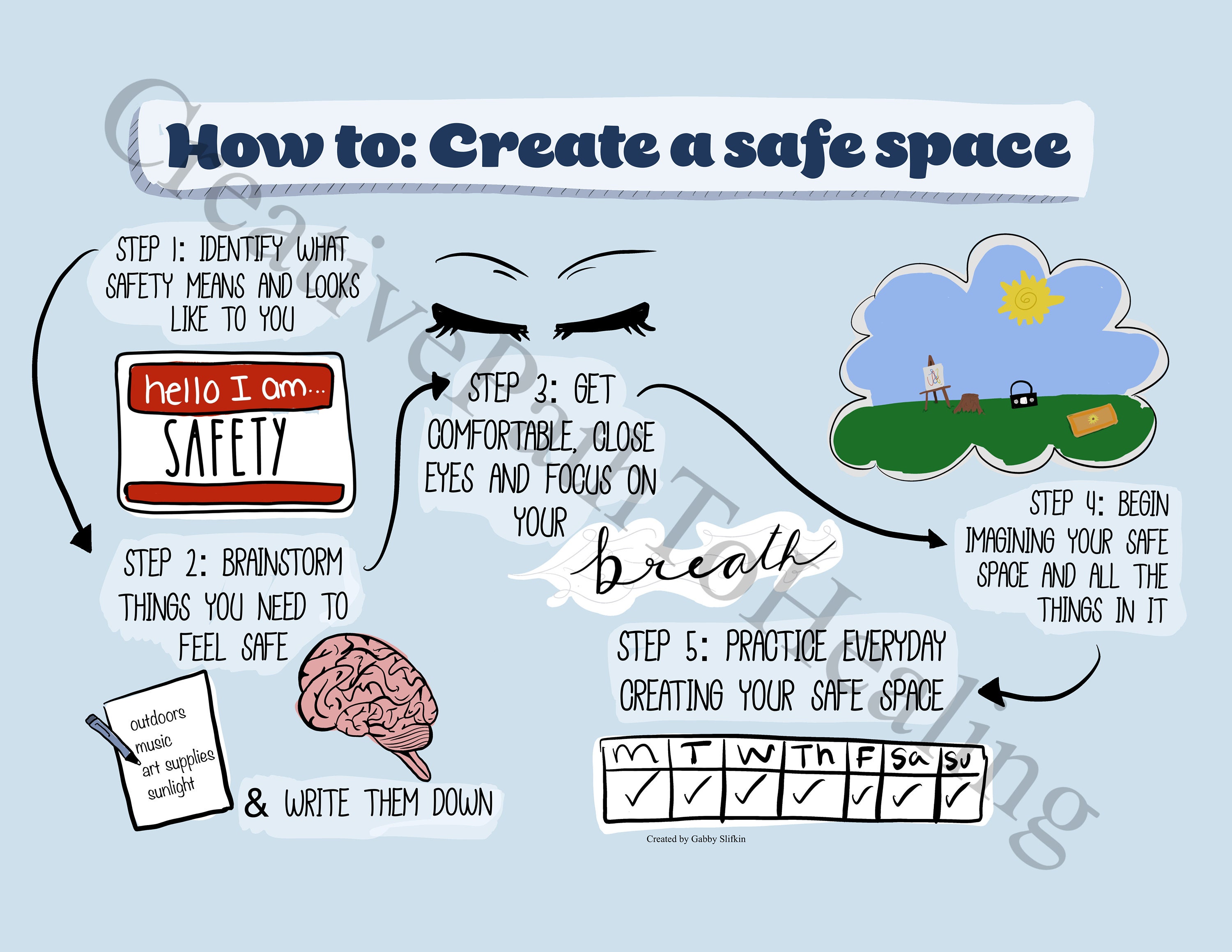
How to Create a Safe Space for Honest Conversations

How to Create a Safe Space for Honest Conversations

Building a Safe Space for Honest Conversations: It's Easier Than You Think!

Okay, let's be real. Honest conversations can be terrifying. We've all been there â€" that knot in your stomach before a tough talk, the fear of saying the wrong thing, or the worry about someone getting upset. But what if we could create spaces where those fears melt away, replaced by genuine connection and understanding? It's possible! It's not about magic or some secret handshake; it's about intentionality and a few key strategies.

Setting the Stage: Creating a Physically and Emotionally Safe Environment

Think of it like this: you wouldn't try to have a deep, meaningful conversation in the middle of a crowded, noisy street, right? The same principle applies to creating a safe space. It needs to be comfortable, both physically and emotionally.

Physical Comfort Matters!

First, the basics: location, location, location. Choose a place where people feel relaxed. This could be a cozy living room, a quiet corner of a café (if it's not too busy), or even a virtual space with muted backgrounds and minimal distractions. Ensure there's comfortable seating, good lighting (avoid harsh overhead lights), and maybe even some calming background music or nature sounds (if that works for the group).

Think about things like temperature too! No one wants to be freezing cold or sweating profusely while trying to open up.

Emotional Safety First

This is where things get a bit trickier, but incredibly important. Emotional safety means people feel confident that their thoughts and feelings will be received with respect, even if they're different from yours. This involves setting ground rules and cultivating a culture of empathy.

A simple way to start is by explicitly stating that you're aiming for a safe space. Say something like, "The goal here is open and honest communication. Let's agree to listen respectfully to each other, even when we disagree." You could even write these rules down and display them prominently.

Ground Rules: The Unsung Heroes of Honest Conversations

Ground rules aren't about stifling conversation; they're about setting boundaries that allow everyone to feel heard and respected. They should be collaboratively decided upon, so everyone feels ownership and buy-in. Here are some examples, but feel free to tailor them to your specific needs:

  • Confidentiality: What's said in this space stays in this space.
  • Respectful Listening: No interrupting, no side conversations, and active attempts to understand each other's perspectives.
  • "I" Statements: Focus on expressing your own feelings and experiences rather than blaming or accusing others ("I feel hurt when..." instead of "You always...").
  • No Judgment: Create a space where people feel comfortable sharing their vulnerabilities without fear of criticism or ridicule.
  • Taking Breaks: It's okay to take a break if things get too intense. It doesn't mean the conversation is failing.
  • One Person Speaks at a Time: This is crucial for ensuring everyone gets a chance to share their thoughts and feelings.

Facilitating Honest Conversations: Tips and Tricks

Even with the perfect setting and ground rules, sometimes conversations can get stuck. Here are a few techniques to help keep things flowing and productive:

Active Listening is Key!

This isn't just about hearing words; it's about truly understanding the speaker's perspective. Show that you're engaged by making eye contact, nodding, and summarizing what you've heard to ensure you're on the same page. Ask clarifying questions to deepen your understanding.

Ask Open-Ended Questions

Avoid yes/no questions. Instead, ask questions that encourage people to share their thoughts and feelings in more detail. For example, instead of asking, "Did you enjoy the movie?", try "What were your thoughts on the movie?"

Embrace Disagreement Respectfully

Disagreements are inevitable, but they don't have to be destructive. Focus on finding common ground and understanding different perspectives. Remember, the goal is not necessarily to reach consensus but to foster mutual respect and understanding.

Be Mindful of Nonverbal Communication

Body language speaks volumes. Be aware of your own nonverbal cues and those of others. Are people looking uncomfortable? Do they seem hesitant to speak? Adjust your approach accordingly.

When Things Get Tough: Handling Difficult Conversations

Let's face it: sometimes, honest conversations are tough. Emotions may run high, disagreements may arise, and even hurt feelings might occur. That's okay! It̢۪s part of the process. The key is to handle these difficult moments with grace and understanding.

Remember the ground rules. If emotions escalate, take a break. Remind everyone of the goal â€" to have a respectful and productive conversation. If necessary, consider bringing in a neutral third party to mediate.

Frequently Asked Questions

Q: What if someone breaks the ground rules?

A: Gently remind them of the agreed-upon rules. If the behavior continues, you might need to have a separate conversation with that person to address the issue.

Q: How long should these conversations last?

A: There's no set time limit. Let the conversation unfold naturally. It's better to have a shorter, focused conversation than a long, drawn-out one that feels forced.

Q: What if I don't know what to say?

A: It's okay to say, "I'm not sure what to say, but I want to understand how you feel." Active listening is more important than having all the answers.

Q: Can these techniques be used in any setting?

A: Absolutely! These principles can be adapted to various settings, from family dinners to workplace meetings to online forums. The key is adapting the specifics of the setting and the rules to fit the situation.

Q: What if someone is unwilling to participate?

A: Respect their decision. You can't force someone to have an honest conversation. You can, however, invite them to participate when they're ready.

Creating a safe space for honest conversations is an ongoing process, not a one-time event. It takes commitment, practice, and a willingness to be vulnerable. But the rewards â€" deeper connections, stronger relationships, and a greater sense of understanding â€" are well worth the effort. So, take a deep breath, and start building your safe space today!

Text Your Ex the Right Way and Get Them Back with These Tips

Text Your Ex the Right Way and Get Them Back with These Tips

Texting Your Ex: A Strategic Approach to Reconciliation

The termination of a romantic relationship often leaves individuals grappling with a complex array of emotions. While some readily accept the closure, others find themselves yearning for reconciliation. In the digital age, texting has emerged as a primary mode of communication, often utilized in attempts to rekindle faded flames. However, navigating this delicate terrain requires careful consideration and a strategic approach. This article offers a comprehensive guide on how to text your ex in a manner that maximizes the potential for positive interaction and, ultimately, reconciliation. It is crucial to understand that there are no guarantees, and success depends heavily on various factors including the nature of the breakup, the time elapsed since the separation, and the willingness of both parties to engage in constructive dialogue.

Assessing the Situation: Before You Even Consider Texting

Before composing that first text, a thorough self-assessment is paramount. Impulsive actions often lead to unintended consequences, hindering rather than facilitating reconciliation. Consider the following points:

Understanding the Reasons for the Breakup

Honest introspection is vital. Identify the reasons behind the relationship's dissolution. Was it a fundamental incompatibility, a breach of trust, or a failure in communication? Until you understand and address the root causes, attempting reconciliation might prove futile. Simply expressing a desire to get back together without addressing underlying issues is unlikely to succeed.

Evaluating Your Readiness for Reconciliation

Are you truly ready to commit to the work required to rebuild the relationship? Reconciliation is not a simple switch that can be flipped. It demands significant effort, compromise, and a willingness to address past hurts and grievances. If you are not fully prepared for this commitment, it's best to refrain from contacting your ex.

Assessing Your Ex's Willingness

Consider your ex's perspective. Has sufficient time passed since the breakup to allow for emotional healing and reflection? Have they indicated any desire for reconciliation through direct or indirect means? Reaching out when your ex is demonstrably uninterested or actively avoiding contact can be detrimental and cause further emotional distress.

Crafting the Perfect Text: Content and Tone

The initial text is crucial in setting the tone for future communication. Avoid overly emotional or demanding language. Instead, opt for a calm, respectful, and measured approach.

Choosing the Right Time and Medium

Refrain from texting your ex late at night or during times when they are likely to be busy or stressed. Consider their schedule and select a time when they are most likely to be receptive. While texting is convenient, for significant conversations, a phone call might be more appropriate to convey nuances of emotion and tone.

Keeping it Brief and Focused

Avoid lengthy texts filled with emotional baggage or recriminations. Keep your message concise and focused. A simple, sincere expression of your desire to reconnect is sufficient for the initial contact. For example, a text like, "I've been doing some thinking lately, and I'd like to talk to you when you have some time," is more effective than a lengthy explanation of your feelings.

Maintaining a Respectful and Apologetic Tone (If Necessary)

If your actions contributed to the breakup, a sincere apology is essential. Avoid making excuses or shifting blame. Acknowledge your mistakes and express genuine remorse for your actions. For instance, "I'm truly sorry for my part in the breakup. I've been reflecting on my behavior and I'd appreciate the opportunity to discuss things further." This demonstrates maturity and accountability.

Navigating the Response (and the Lack Thereof): Patience and Persistence

After sending your initial text, patience is key. Your ex may require time to process your message. Do not bombard them with multiple texts if they do not respond immediately. Give them the space and time they need to respond.

Handling a Positive Response

A positive response opens the door for further communication. Suggest a time and place to talkâ€"a neutral setting is preferable to avoid triggering negative associations. Keep the conversation focused on understanding each other's perspectives and addressing the underlying issues that led to the breakup. Avoid immediately pushing for reconciliation.

Handling a Negative Response or No Response

A negative response or the absence of a response can be disheartening, but it does not necessarily signify the end of all hope. Respect your ex's decision. Avoid further contact for a period of time to allow them space to reflect. Remember that their reaction is not a reflection of your worth, but a reflection of their current emotional state and capacity to engage.

The Importance of Space and Respecting Boundaries

Regardless of the response, respecting your ex's boundaries is paramount. Avoid constant texting or contacting them through other means. Give them space to process their emotions and decide if they are willing to re-engage. Respectful behavior during this time can significantly impact their willingness to consider reconciliation.

Long-Term Strategy: Beyond the Initial Text

Even if your initial text leads to positive interaction, reconciliation is a gradual process. It requires consistent effort, open communication, and a willingness to address past hurts and misunderstandings.

Focusing on Self-Improvement

Use this time to focus on personal growth and self-improvement. Address any personal issues that contributed to the breakup. This demonstrates a commitment to personal change and makes you a more attractive partner. This includes working on emotional intelligence, communication skills, and addressing any underlying mental health concerns.

Building a Healthy Communication Pattern

Establish healthy communication patterns during the reconciliation process. Avoid accusatory or defensive language. Practice active listening and strive to understand your ex's perspective. Develop strategies for resolving conflicts constructively. Consider couples counseling as a tool to navigate challenges and rebuild trust.

Realistic Expectations and Patience

Reconciliation is not a quick fix. It requires patience, understanding, and commitment from both partners. Set realistic expectations and avoid placing undue pressure on your ex or yourself. Be prepared for setbacks along the way and celebrate small victories. Remember that true reconciliation requires addressing the root causes of the breakup and rebuilding trust over time.

In conclusion, texting your ex can be a delicate undertaking. By carefully considering the advice presented herein, you can increase your chances of fostering positive communication and, potentially, achieving reconciliation. However, it's crucial to remember that reconciliation is not always possible, and accepting this outcome is equally important. Prioritizing your own well-being throughout this process is paramount, regardless of the final result.

Building a Support System: Finding Strength in Others

Building a Support System: Finding Strength in Others

Building a Support System: Finding Strength in Others

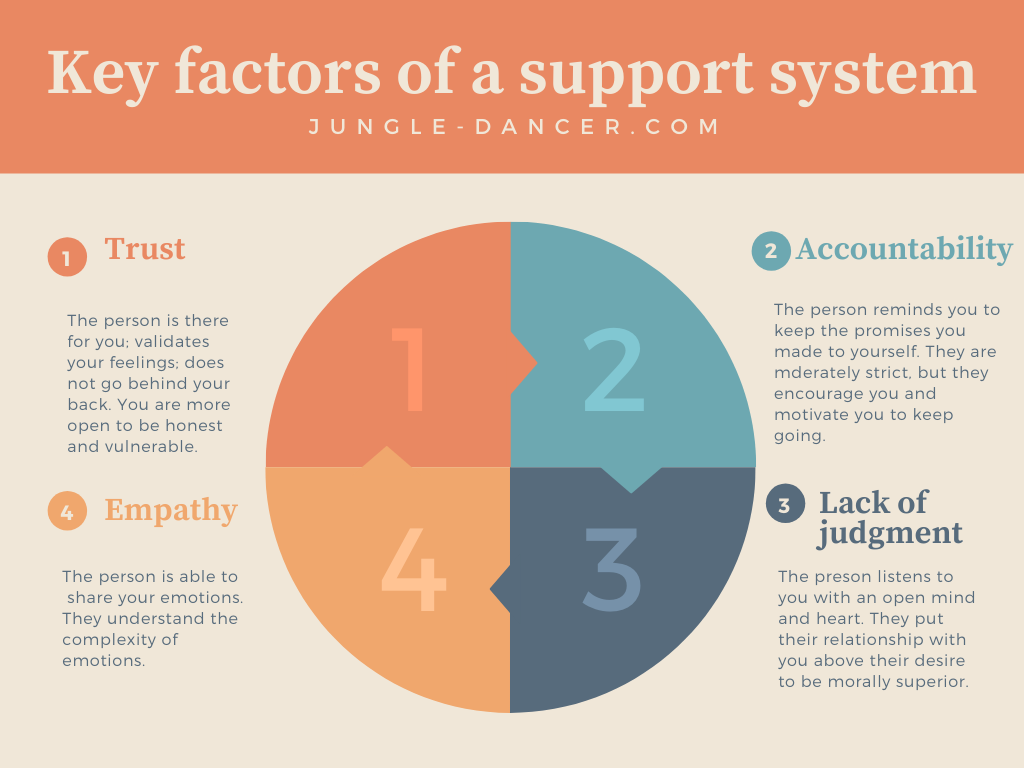
The human experience is inherently social. We are wired for connection, for belonging, and for mutual support. While individual resilience is crucial, the ability to cultivate and leverage a robust support system significantly enhances our capacity to navigate life's inevitable challenges, both big and small. Building such a system requires intentionality, effort, and a willingness to both give and receive. This article explores the multifaceted nature of support systems, outlining strategies for their development and maintenance, and emphasizing the profound impact they have on overall well-being.

Understanding the Importance of a Support System

A strong support system acts as a buffer against stress, offering a vital lifeline during periods of adversity. Its benefits extend far beyond simply providing emotional comfort; a robust network can facilitate practical assistance, enhance mental and physical health, and even contribute to increased longevity. The absence of such a network, conversely, can exacerbate feelings of isolation, loneliness, and helplessness, negatively impacting both mental and physical health outcomes.

The Protective Effects of Social Connection

Numerous studies have demonstrated a correlation between strong social connections and improved health outcomes. Individuals with robust support systems tend to exhibit lower rates of depression, anxiety, and cardiovascular disease. This is attributable to several factors, including:

  • Reduced stress levels: Knowing you have people to rely on during stressful periods significantly diminishes the physiological impact of stress.
  • Increased coping mechanisms: Support systems offer diverse perspectives, practical advice, and emotional encouragement, bolstering coping abilities.
  • Improved self-esteem: Feeling valued and accepted by others fosters a sense of self-worth and confidence.
  • Enhanced resilience: The collective strength derived from supportive relationships allows individuals to bounce back more effectively from setbacks.

The Negative Consequences of Social Isolation

Conversely, the absence of a strong support system can have detrimental effects. Social isolation and loneliness are increasingly recognized as significant public health concerns, linked to an increased risk of:

  • Depression and anxiety: Lack of social interaction can intensify feelings of isolation and hopelessness.
  • Cognitive decline: Studies suggest a link between social isolation and an increased risk of dementia.
  • Weakened immune system: Chronic loneliness can negatively impact immune function, making individuals more susceptible to illness.
  • Increased mortality risk: Research indicates a correlation between social isolation and a higher risk of premature death.

Cultivating a Strong Support System

Building a robust support system is not a passive process; it requires proactive engagement and a willingness to invest time and effort. The following strategies can facilitate the development of meaningful connections:

Identifying Existing Connections and Strengthening Them

Before actively seeking new connections, it's crucial to assess existing relationships. Many individuals already possess a network of friends, family, colleagues, and acquaintances who could become integral parts of their support system. Strengthening these bonds involves:

  • Regular communication: Maintaining consistent contact, even through brief interactions, fosters a sense of connection.
  • Quality time: Prioritizing shared activities and meaningful conversations deepens relationships.
  • Open communication: Sharing both joys and struggles promotes vulnerability and trust.
  • Active listening: Showing genuine interest in the lives of others strengthens reciprocal bonds.

Expanding Your Network

While strengthening existing relationships is crucial, expanding one's network can provide additional sources of support. This can involve:

  • Joining groups and clubs: Participating in activities aligned with personal interests creates opportunities to meet like-minded individuals.
  • Volunteering: Contributing to a cause you care about connects you with others who share your values.
  • Taking classes or workshops: Learning new skills provides opportunities for social interaction and the formation of new relationships.
  • Utilizing online communities: Online forums and support groups can offer connections with individuals facing similar challenges.

Seeking Professional Support

Professional support, such as therapy or counseling, can be an invaluable component of a comprehensive support system. Therapists provide a safe and confidential space to explore personal challenges, develop coping strategies, and process difficult emotions. They can also help individuals identify and address underlying issues that may be hindering the development of healthy relationships.

Maintaining a Healthy Support System

Building a support system is an ongoing process; nurturing and maintaining these relationships requires consistent effort. Key strategies include:

  • Reciprocity: Support systems are built on mutual exchange; strive to give as much as you receive.
  • Boundaries: Establishing healthy boundaries protects both your well-being and the integrity of the relationships.
  • Regular evaluation: Periodically assess your support system, identifying areas that need strengthening or relationships that may no longer be beneficial.
  • Self-care: Prioritizing self-care ensures you have the emotional and physical resources to nurture your relationships and effectively receive support.

Conclusion

Cultivating a strong support system is an investment in overall well-being. The benefits extend far beyond emotional comfort, impacting physical health, resilience, and longevity. By proactively engaging in relationship building, nurturing existing connections, and seeking professional support when needed, individuals can create a robust network that provides strength, encouragement, and a sense of belonging throughout life's journey. Remember that building a strong support system is a continuous process requiring effort and intentionality, but the rewards are immeasurable.

Rebuilding a Broken Relationship: Step-by-Step Guide

Rebuilding a Broken Relationship: Step-by-Step Guide

Rebuilding a Broken Relationship: A Step-by-Step Guide

Relationships, like intricate glass sculptures, can shatter unexpectedly. The sharp edges of hurt feelings, unmet expectations, and unspoken resentments can leave deep wounds. But unlike a shattered sculpture, a broken relationship can often be mended, albeit with careful attention and dedicated effort. This guide provides a roadmap to navigate the challenging path of rebuilding trust and rekindling connection. It's important to remember that rebuilding takes time, patience, and a genuine commitment from both partners.

Acknowledge the Damage and Take Responsibility

Before attempting repairs, you must honestly assess the damage. Don't shy away from the difficult conversations. Identify the specific issues that fractured the relationship. Did communication break down? Did trust erode? Were there betrayals? Take ownership of your role in the problems. Avoid blaming your partner entirely. A healthy rebuilding process necessitates acknowledging your own contributions to the breakdown. This isn't about assigning guilt; it's about fostering understanding and paving the way for mutual accountability.

Honest Self-Reflection

Engage in deep self-reflection. Journaling can be immensely helpful. Ask yourself probing questions: What were my behaviors that contributed to the problems? What unmet needs did I have that I didn't communicate effectively? What are my expectations for the relationship, and are they realistic? Understanding your own patterns and motivations is crucial for changing unhealthy behaviors.

Initiate Open and Honest Communication

Rebuilding requires open and honest dialogue. This isn't about shouting accusations or engaging in blame games. Instead, it's about creating a safe space where both partners can express their feelings without fear of judgment. Active listening is key. Pay attention not only to what your partner says, but also to their body language and emotional tone. Summarize their points to ensure you understand, and validate their feelings, even if you don't agree with them.

Creating a Safe Space for Dialogue

Find a quiet, comfortable setting free from distractions. Consider professional guidance from a couples therapist to facilitate these conversations, especially if you're struggling to communicate effectively on your own. A neutral third party can provide structure and guidance, helping to navigate difficult emotions and foster productive communication.

Rebuild Trust Through Consistent Actions

Trust, once broken, takes time and consistent effort to rebuild. Actions speak louder than words. Follow through on your promises. Be reliable and dependable. Small, consistent acts of kindness and consideration can significantly contribute to restoring trust. Transparency is also vital. Be open and honest about your daily activities and feelings, even if it feels vulnerable. This demonstrates a commitment to honesty and strengthens the foundation of trust.

Examples of Trust-Building Actions

  • Following through on commitments, no matter how small.
  • Being honest and upfront about your whereabouts and activities.
  • Regularly checking in with your partner and actively listening to their concerns.
  • Making time for quality time together, even amidst busy schedules.

Seek Professional Help When Needed

Don't hesitate to seek professional help from a therapist or counselor. A trained professional can provide objective guidance, teach effective communication techniques, and help you both navigate the complexities of rebuilding your relationship. They can offer a safe space to unpack unresolved issues and develop healthier coping mechanisms. Therapy isn't a sign of failure; it's a sign of commitment to improving the relationship.

Practice Forgiveness and Self-Compassion

Forgiveness is crucial for healing. This doesn't mean condoning hurtful actions; it means releasing the anger and resentment that prevents moving forward. It also requires self-compassion. Be kind to yourself during this process. Rebuilding a relationship is challenging, and setbacks are inevitable. Allow yourself to feel your emotions without judgment and celebrate small victories along the way. Remember, rebuilding a relationship is a marathon, not a sprint.

ブログ アーカイブ

Powered by Blogger.